
Planning permission and listed building consent granted at Slimbridge Farm on the Ernest Cook Trust’s estate in Gloucestershire.
At first glance, this was an application about the change of use of a range of redundant agricultural buildings. In reality, it was about something rather more enduring: how one secures the future of a nineteenth-century threshing barn while strengthening two viable rural businesses and supporting a national educational charity.
Over the past fifteen years, Slimbridge Farm has undergone significant investment in robotic milking technology and modern dairy infrastructure has consolidated operations, leaving a traditional yard and a collection of mid-twentieth-century buildings redundant to modern agriculture.
Among them sits a brick threshing barn dated 1845, curtilage listed, structurally sound but suffering from lapsed maintenance and in urgent need of a sustainable future.
The challenge was straightforward in principle but delicate in execution. The barn could not justify the cost of repair in agricultural use. A residential conversion would have risked domesticating its character and setting. The answer lay in a carefully structured, heritage-led scheme: restoring the barn for office use, largely for Moorend Ltd, an innovative local engineering firm specialising in tracked machinery for solar farm maintenance, while regularising and expanding Moorend's workshop operations within the adjoining modern range.
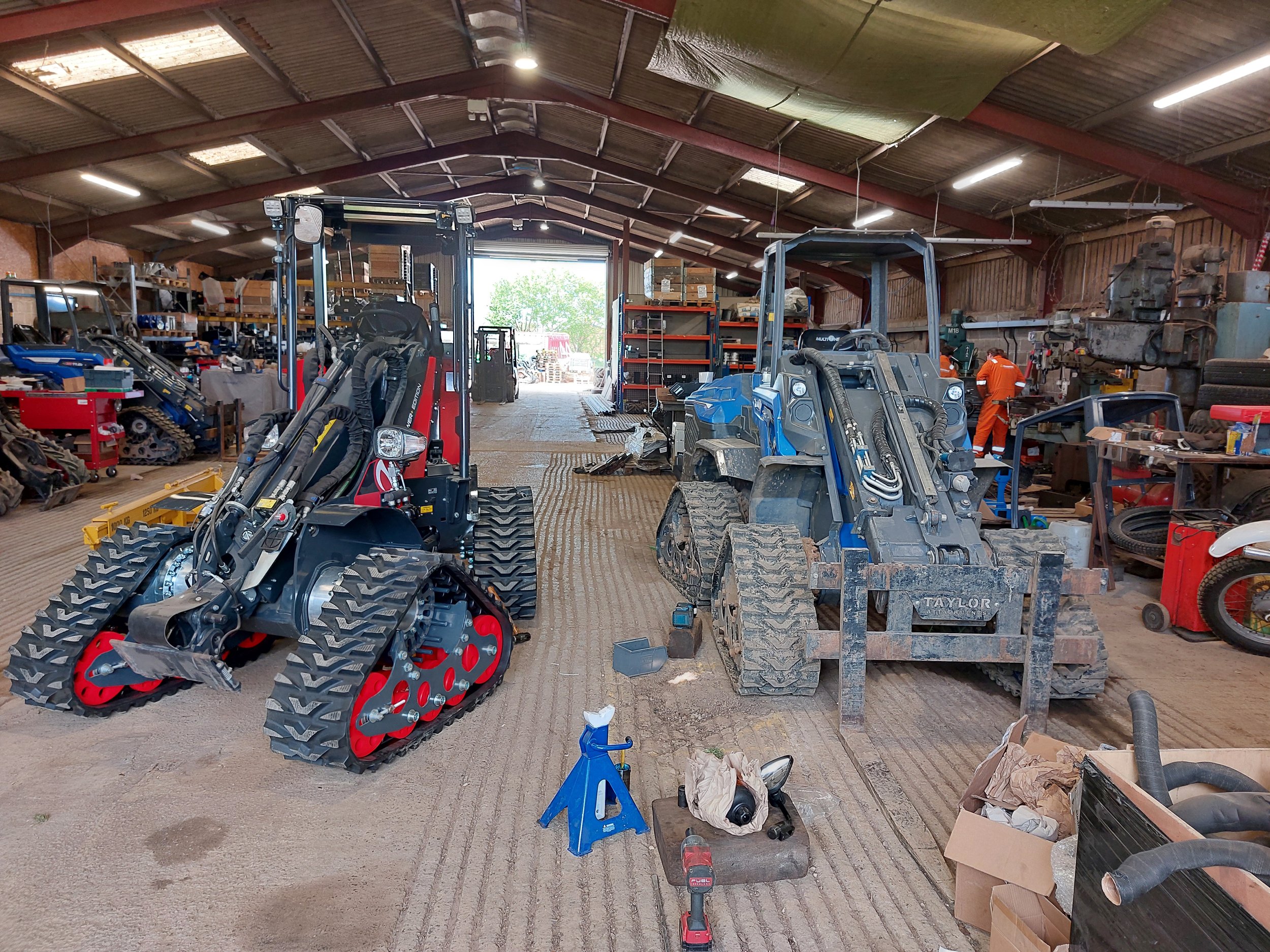
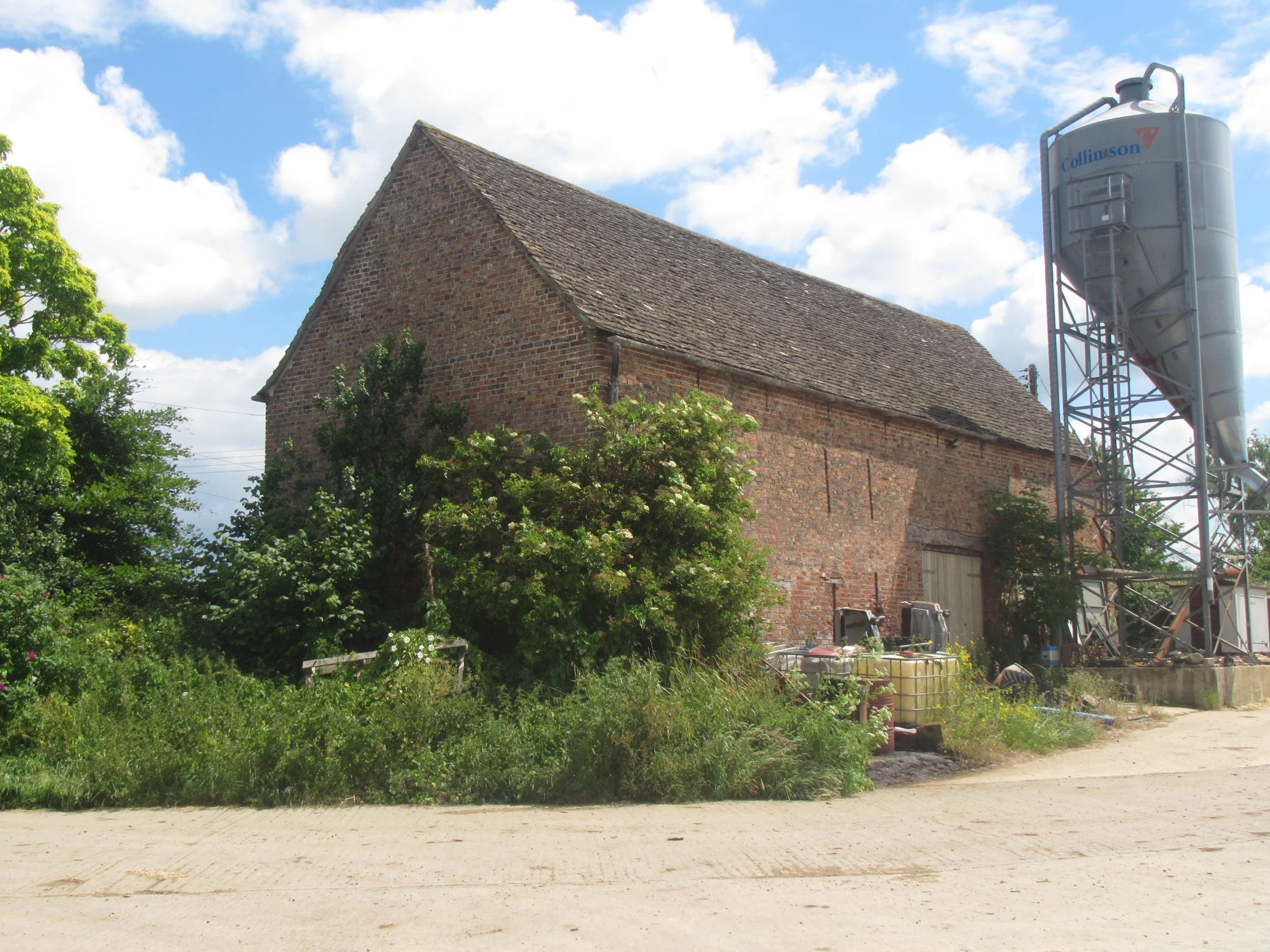
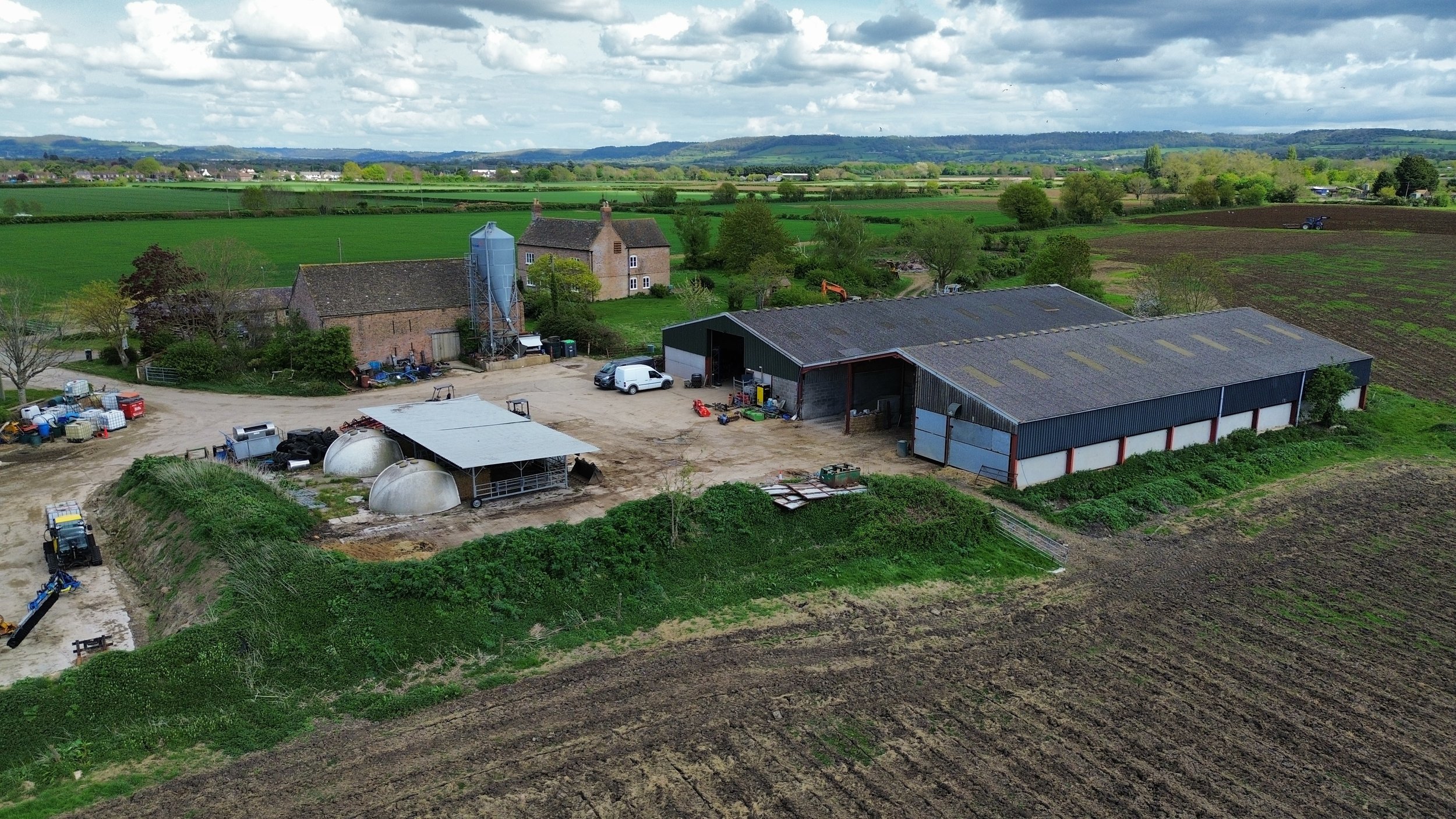
The result is a coherent package. The barn will be repaired and sensitively adapted with minimal intervention, preserving its vernacular character and group value with the listed farmhouse. The twentieth-century sheds will continue in productive use. Six local jobs are secured. Embodied carbon is conserved through reuse rather than replacement. Rental income will contribute to the Ernest Cook Trust’s charitable work, which distributes around £2 million annually in support of outdoor education and environmental stewardship.
There is a particular satisfaction in schemes of this kind. Redundant fabric is given purpose, a rural business is strengthened, and a building that has stood since the High Farming period is set on a viable footing for the next century.
My thanks to the Ernest Cook Trust, Moorend Ltd, Forum Heritage Services, Journeyman Draughting, Helix Transport Consultants and Smart Ecology for their rigour and collaboration throughout the two years that it has taken to see this application through to a positive determination.
If you are grappling with redundant farm buildings, curtilage-listed assets, or the practical realities of estate diversification, I should be very pleased to have a conversation.