Removal Of Agricultural Occupancy Conditions
Agricultural occupancy conditions, often referred to as agricultural ties, restrict the occupation of a dwelling to persons employed, or last employed, in agriculture or a related rural activity. They are imposed to ensure that housing permitted in the countryside remains available to meet an identified functional need.
Many dwellings remain subject to these conditions long after the original justification has fallen away.
Where a property has been occupied in breach of an agricultural occupancy condition for a continuous period of ten years, it may become lawful and immune from enforcement under the so-called “10-year rule”. These cases are not determined by planning policy, but by evidence and legal interpretation.
Securing the removal of an agricultural occupancy condition — or establishing immunity from enforcement, requires careful evidencing of historic occupation and employment. We specialise in preparing clear, precise and evidence-led cases capable of meeting the balance of probabilities test, often through Certificate of Lawfulness applications.
CASE STUDY
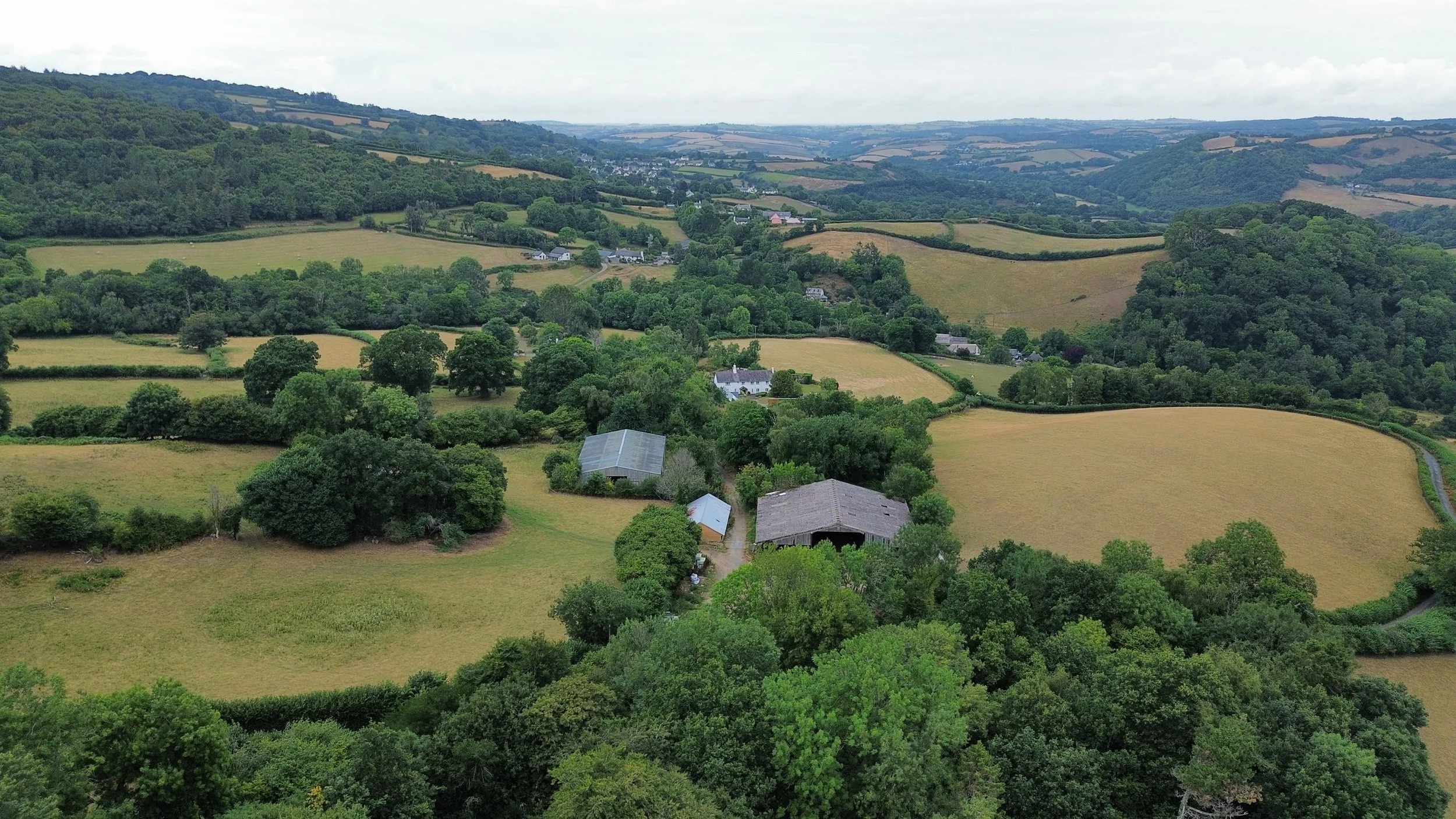
Wreyland Rural Planning acted for the occupiers of a farm bungalow in securing a Certificate of Lawfulness confirming the lawful breach of an agricultural occupancy condition for a period exceeding ten years
The bungalow was permitted in 1968 subject to a condition limiting occupation to persons employed, or last employed, locally in agriculture. The applicants had occupied the dwelling continuously since July 2007 and had never been employed in agriculture. The application therefore sought a formal determination under sections 191 and 171B(3) of the Town and Country Planning Act 1990 that the breach was immune from enforcement.
A detailed Justification Statement was prepared, supported by sworn Statutory Declarations, Council Tax records and employment evidence covering more than a decade. Particular care was taken to analyse the wording of the original condition and the statutory definition of agriculture, addressing potential grey areas such as grounds maintenance and ownership of amenity woodland. Relevant appeal decisions were cited to demonstrate that such activities did not constitute agricultural employment and, in any event, were de minimis.
The evidence demonstrated, on the balance of probabilities, that the condition had been breached continuously for the requisite period. In the absence of any contradictory evidence, the breach was confirmed as lawful, removing the occupancy restriction and securing long-term certainty for the dwelling.
Planning Services
-
![]()
Certificates of Lawfulness
-
![]()
Change of Use
-
![]()
Heritage
-
![]()
Rural Workers Dwellings
-
![]()
Agricultural Development
-
![]()
Residential Development
-
![]()
Commercial Development
-
![]()
Appeals
-
![]()
Equestrian Development
-
![]()
Removal of Agricultural Occupancy Conditions