Land Acquisition
Compensation for the compulsory acquisition of land includes the market value of the land, assessed in the “no-scheme world”, together with losses incurred as a result of being required to vacate, and any depreciation in value to retained land.
While the statutory framework may appear straightforward, compulsory purchase compensation in practice is often highly complex. Issues frequently arise around development potential, disturbance losses, severance, injurious affection and future planning prospects.
Based in Gloucestershire, we advise landowners and occupiers affected by Compulsory Purchase Orders across the UK, ensuring that all heads of claim are properly identified, evidenced and robustly presented.
Our approach integrates planning analysis with compensation strategy, protecting long-term land value and ensuring that clients receive fair and properly justified compensation.
CASE STUDIES
Case Study 1
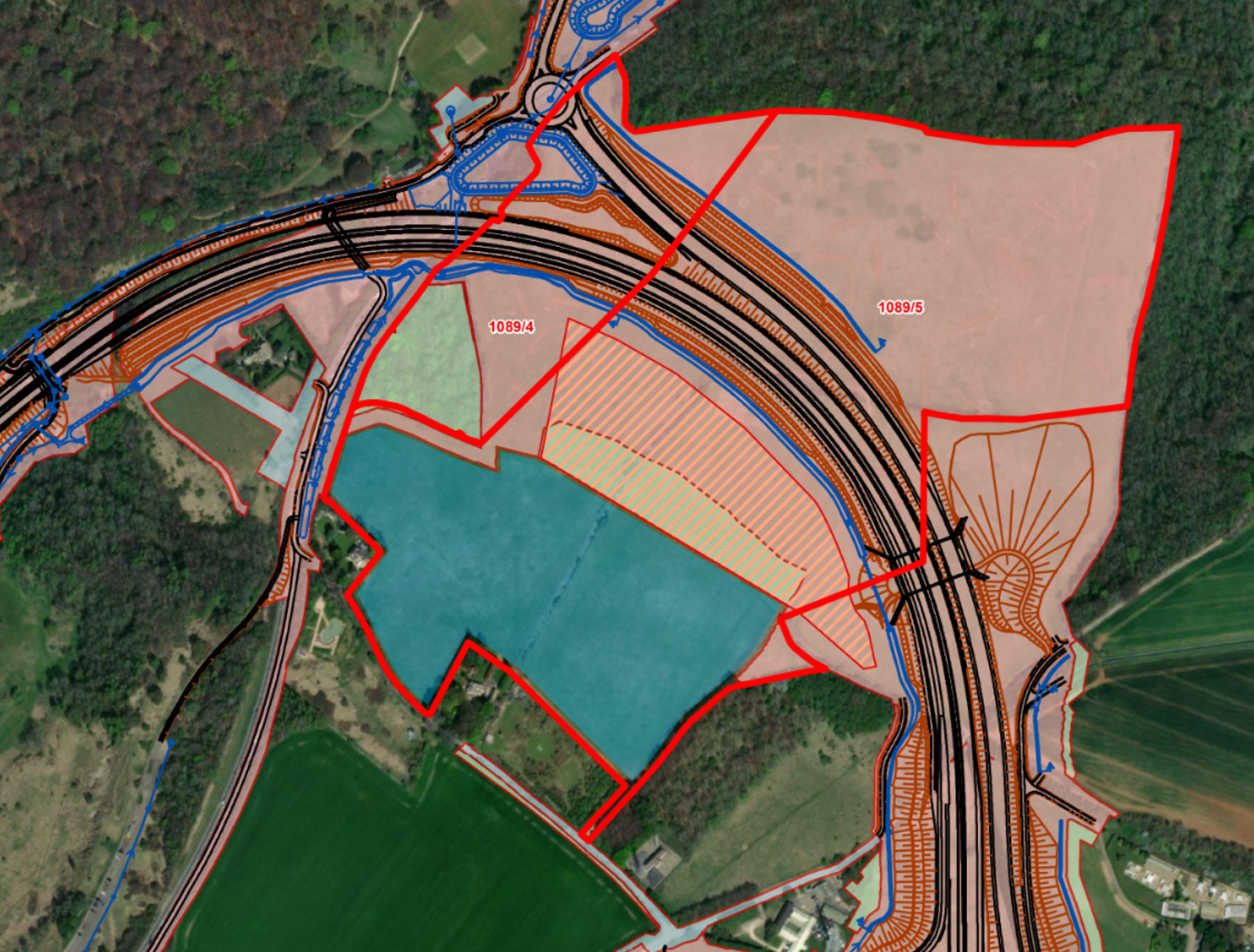
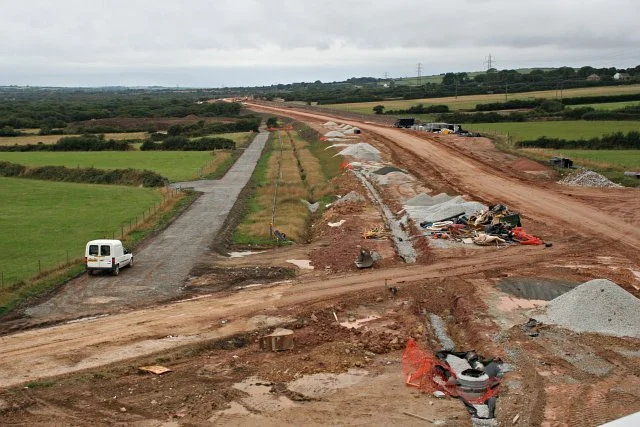
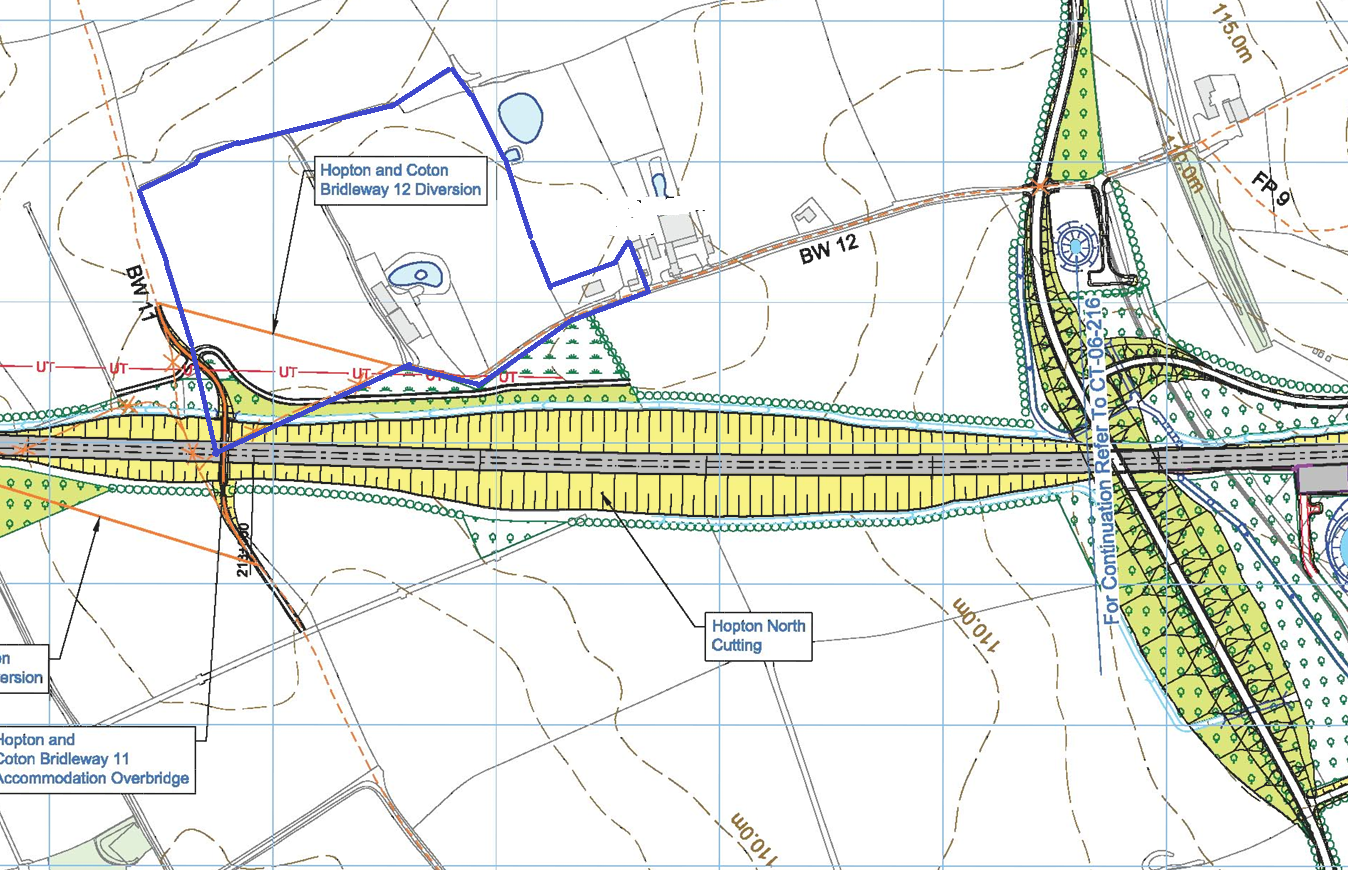
Wreyland Rural Planning Consultants has many years’ experience in this specialist area of professional practice and currently acts for the owners of a kennels business affected by HS2 Phase 2a. Although the land required for the scheme has been taken, this section of HS2 was subsequently cancelled by the Prime Minister in October 2023. The claim comprised compensation for the land taken, a modest severance claim reflecting the cost of reinstating part of an access road and boundary fencing, and a more substantial claim for injurious affection.
The right to claim compensation for injurious affection to the retained land arises under section 7 of the Compulsory Purchase Act 1965. Compensation is assessed as at the date the land was taken and must take into account both the construction phase and the anticipated future operation of the scheme. Importantly, and as confirmed by the Upper Tribunal (Lands Chamber) in what is known as the ‘Cheshire Lounge’ case, the assessment is based only on matters known or reasonably foreseeable at that valuation date. The subsequent cancellation of the scheme must therefore be disregarded.
The issue has further complications, as the Government is retaining the land for a possible future scheme.
Case Study 2
Jonathan Scott-Smith acted for a large dairy and arable farming business in Buckinghamshire, affected by Phase 1 of HS2. This was a complex case involving a wide range of compensation issues, including temporary and permanent loss of land, severance and the capitalisation of the resultant loss of a premium milk contract, injurious affection to two farmhouses, drainage complications and the loss of livestock caused by cattle ingesting wire left on site by HS2 contractors. The claim also addressed late advance payments, breached undertakings, and reimbursement of costs incurred in the purchase of replacement land.
Whilst the issues themselves were not unusual, the scale of the farming operation and the cumulative impact of HS2 over an extended period meant that negotiations and claims continued for several years. Engagement with HS2 agents and representatives was frequently challenging and required a determined and persistent approach. Ultimately, this tenacity resulted in the successful resolution of all principal issues on behalf of the client.
CPO Services
-
![]()
CAAD
-
![]()
Acquiring Authorities
-
![]()
Negotiations
-
![]()
Land Acquisition Cases
-
![]()
Scheme Land Cost Assessments