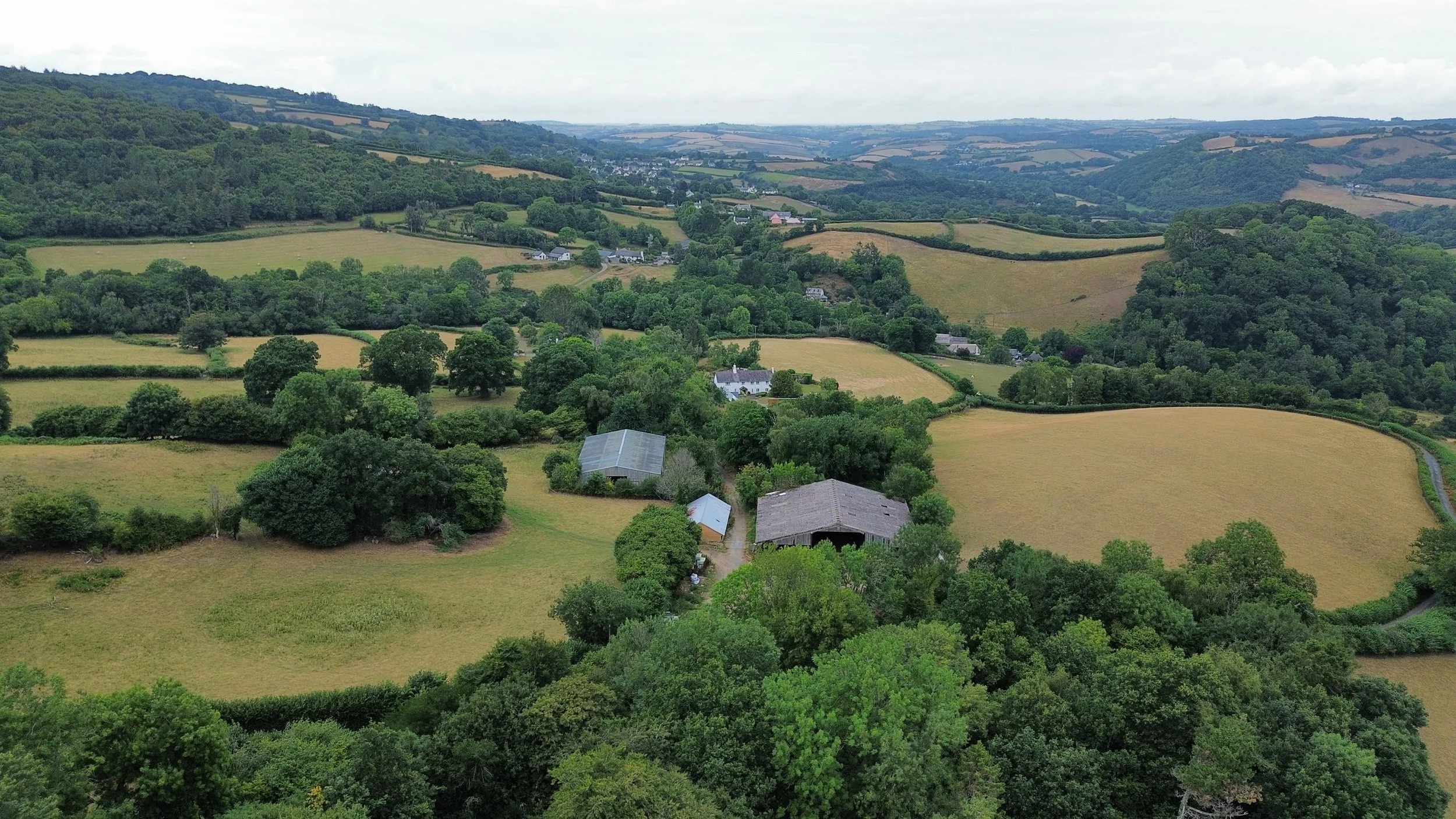
Commercial Development
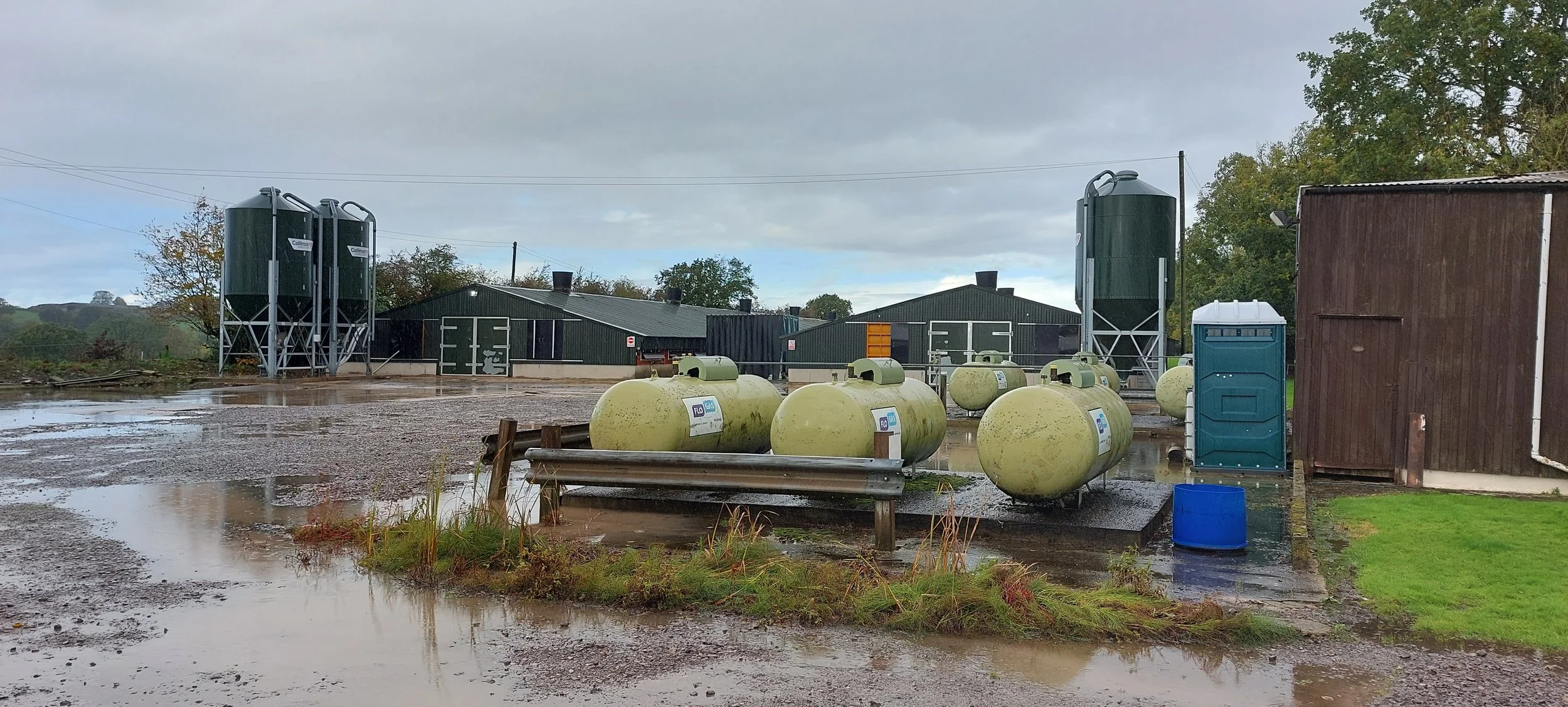
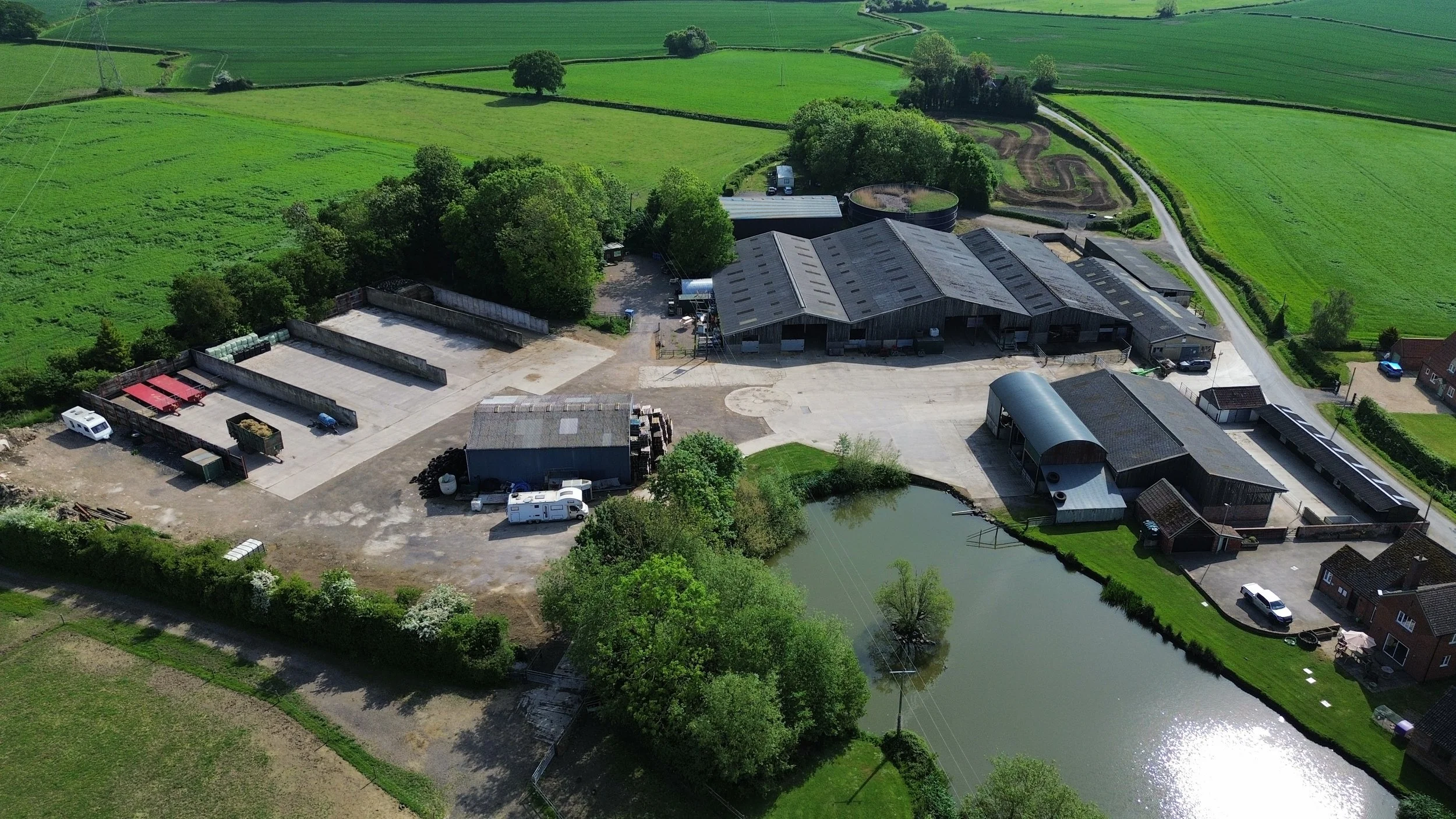
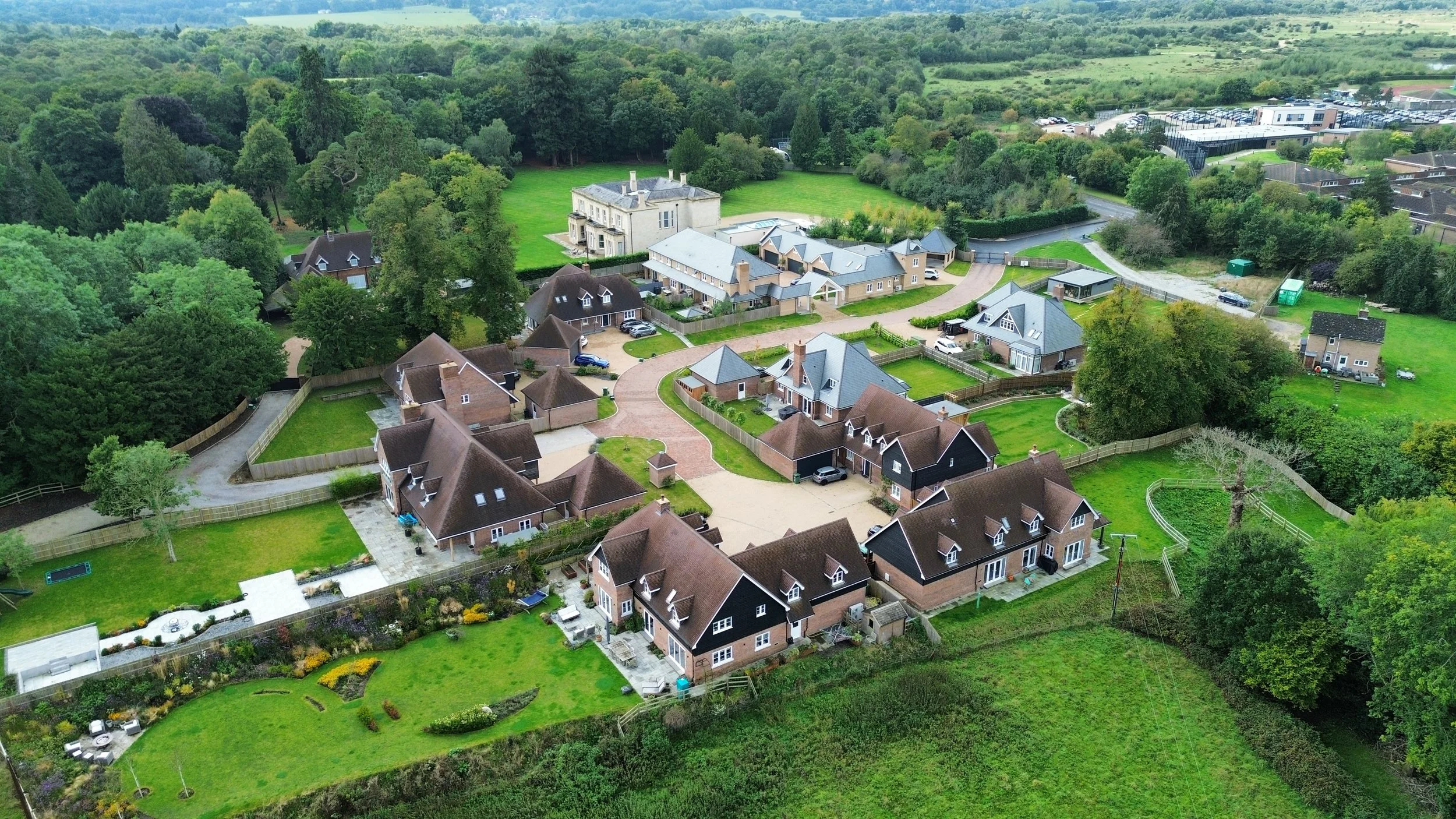
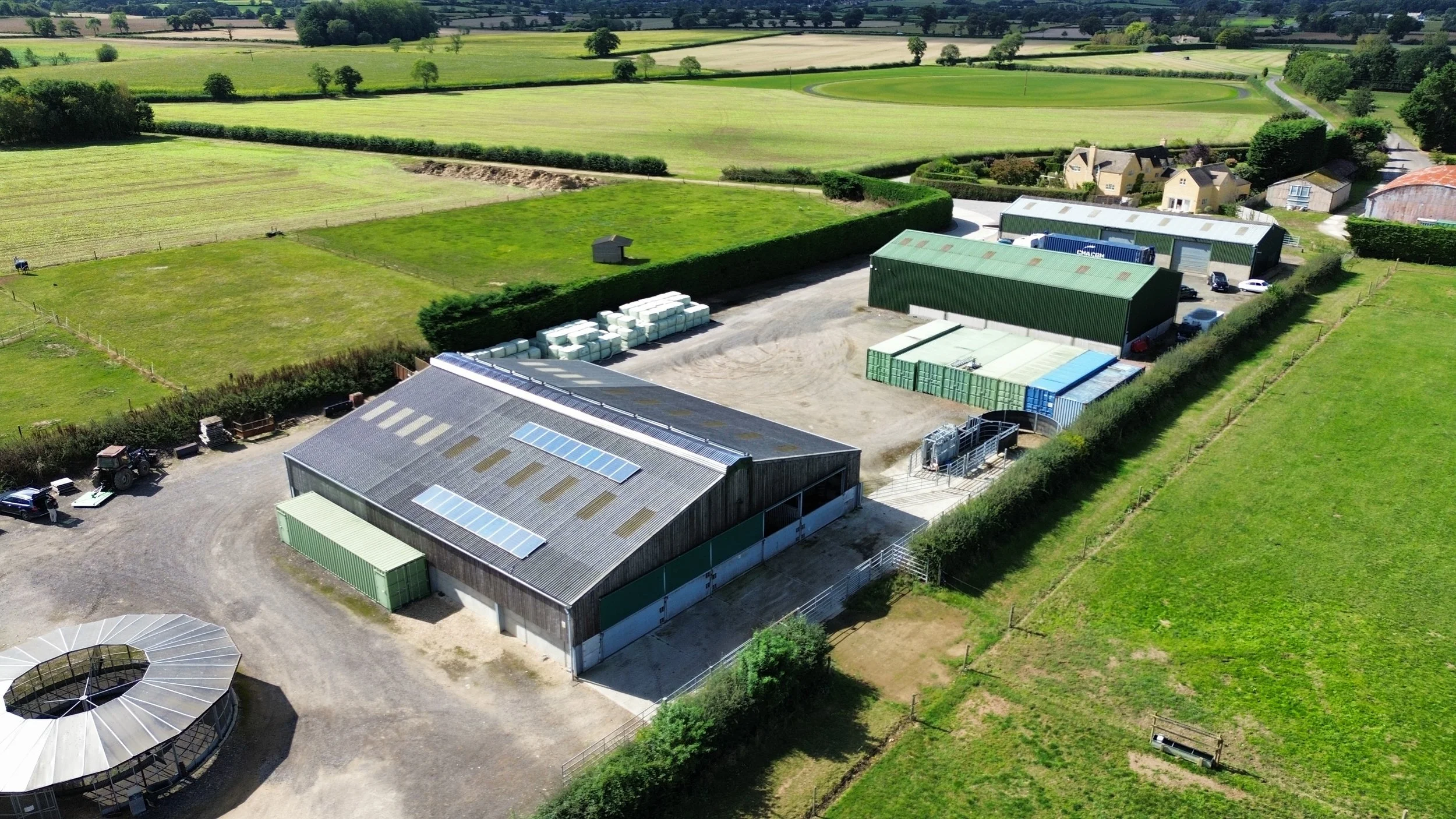
Rural commercial development is actively supported by national and local planning policy where it sustains local employment, enables business growth and makes efficient use of rural sites. Across the South West of England and the rest of the UK, proposals for commercial development in the countryside are assessed against economic policy, settlement hierarchy, landscape impact and transport considerations, particularly where sites lie outside defined settlement boundaries or within sensitive rural settings.
Planning permission for rural commercial development often depends on demonstrating economic need, policy compliance and landscape integration, especially where development affects open countryside.
Successful schemes require a clear understanding of how employment and rural enterprise policy operates in practice, including the importance of existing lawful uses, fallback positions and permitted development rights.
We specialise in securing consent for rural commercial development that is business-led, proportionate and carefully integrated into its landscape setting, supporting sustainable rural enterprise across the South West.
CASE STUDY
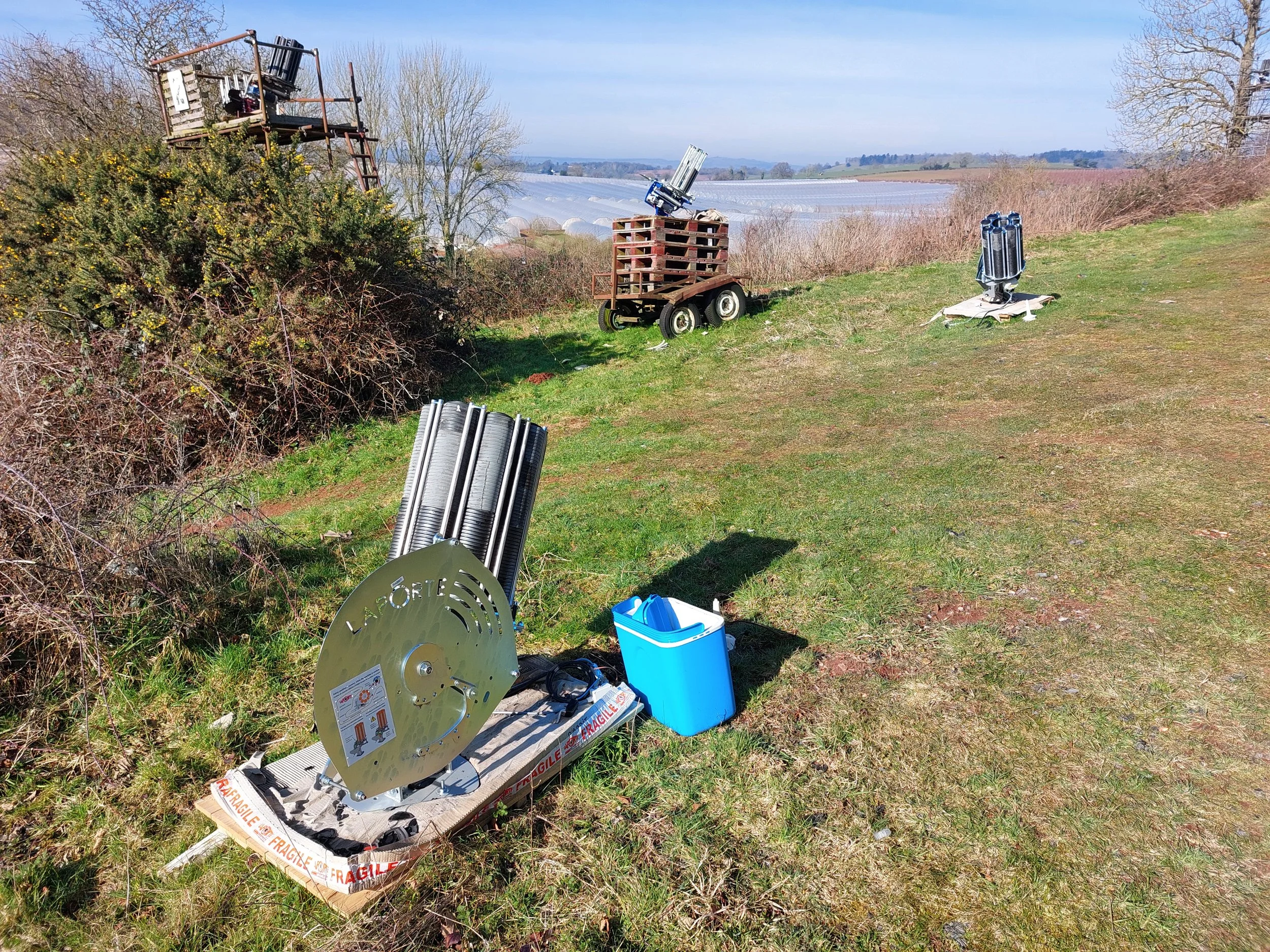
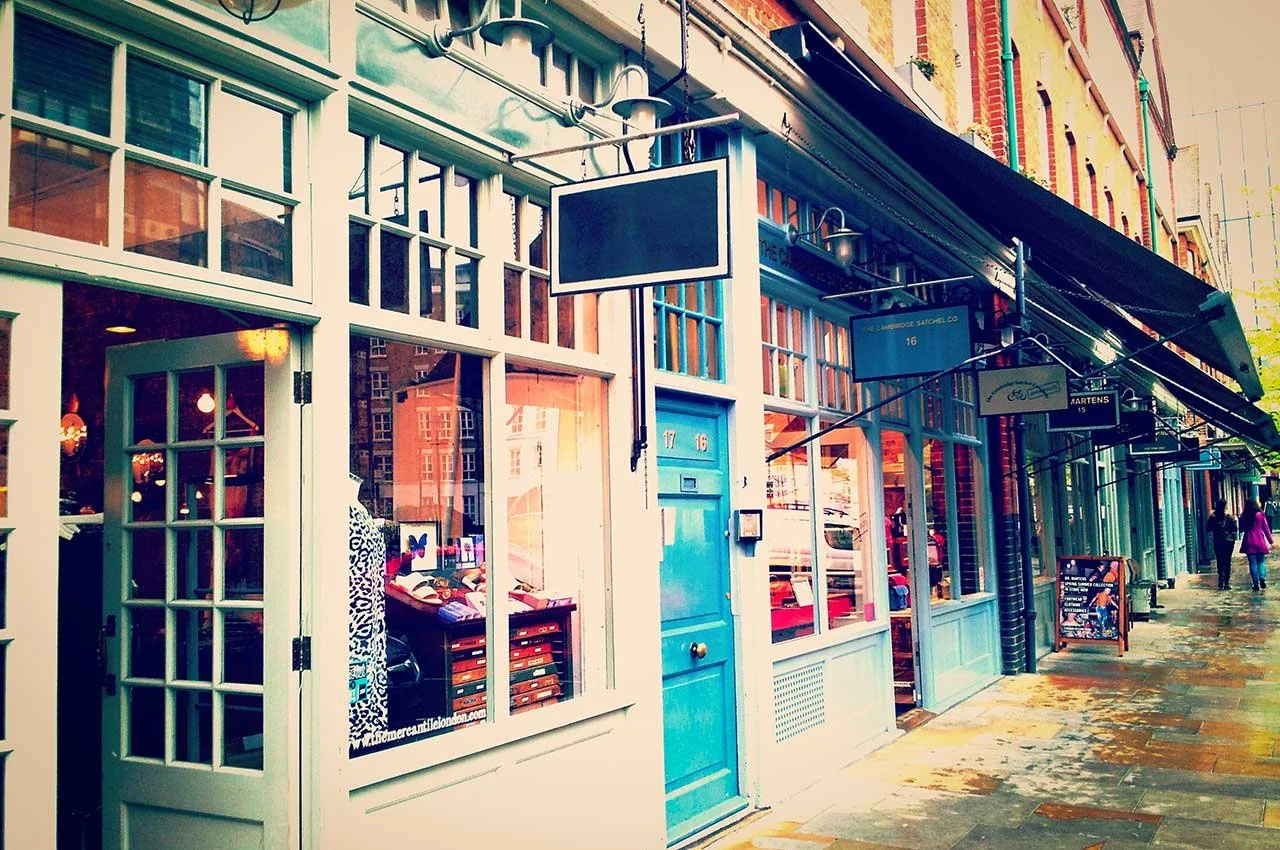
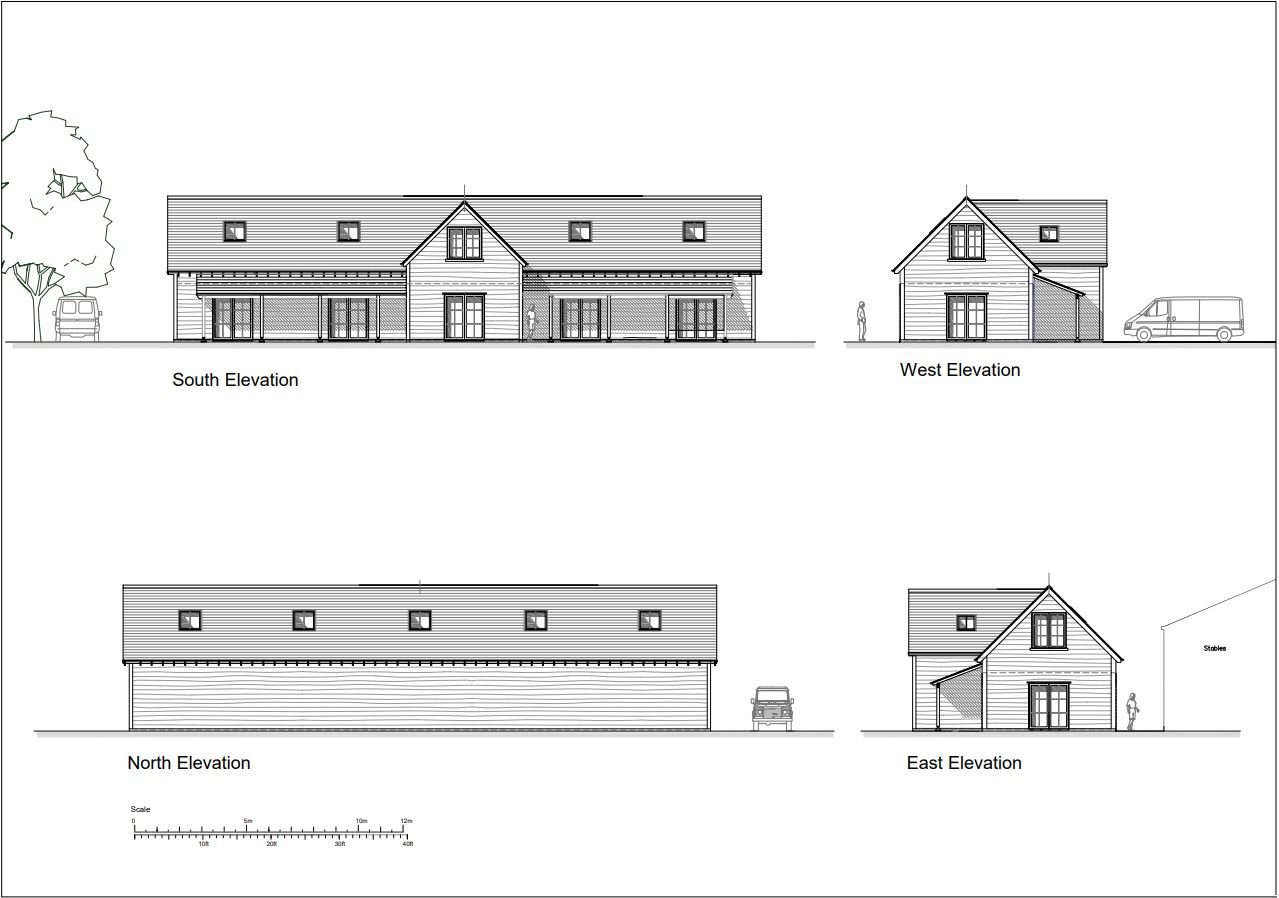
Wreyland Rural Planning was instructed to secure a Certificate of Lawfulness for a long-established commercial clay pigeon shooting ground. The application sought to confirm that the use of the land, together with its associated clubhouse, parking, landscaping Wreyland Rural Planning acted for the client in securing planning permission for the development of new soft-furnishing workroom premises and the regularisation of an existing home office to formal office use within the Cotswold Area of Outstanding Natural Beauty
The client is a long-established bespoke soft-furnishings business, operating from the site since 2001 and employing 15 full-time-equivalent staff, with a further network of local outworkers. Owing to sustained growth, the business had significantly outgrown its existing premises, resulting in cramped working conditions, inadequate welfare facilities and the loss of substantial work due to lack of capacity.
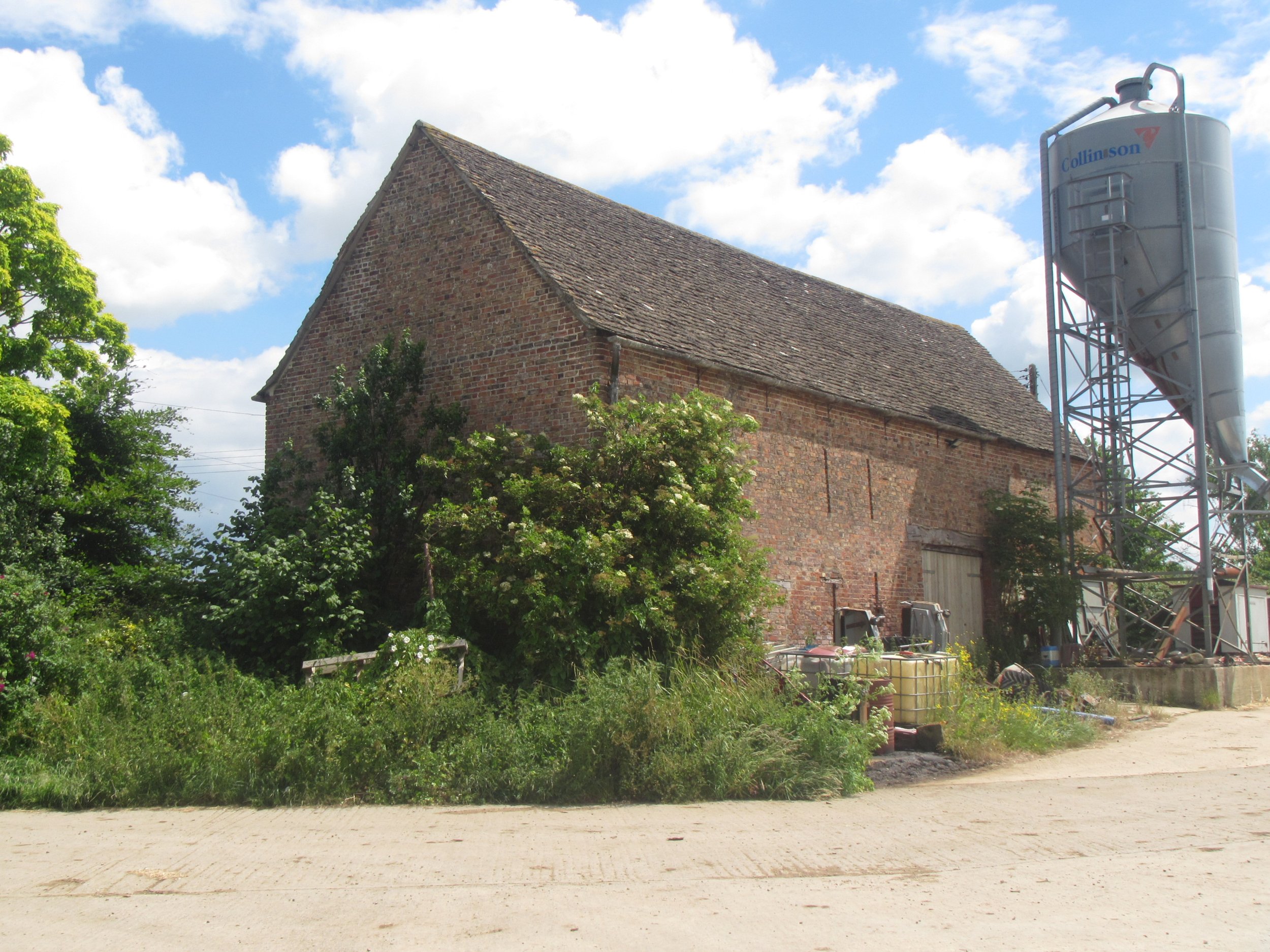
The planning strategy focused on demonstrating a clear operational need for improved premises, the strong sustainability credentials of retaining a skilled local workforce, and the existence of a lawful and long-established commercial use forming a compelling fallback position. The proposal involved a sensitively sited timber-clad workroom building, integrated within the existing farmstead, alongside the formalisation of the office use.
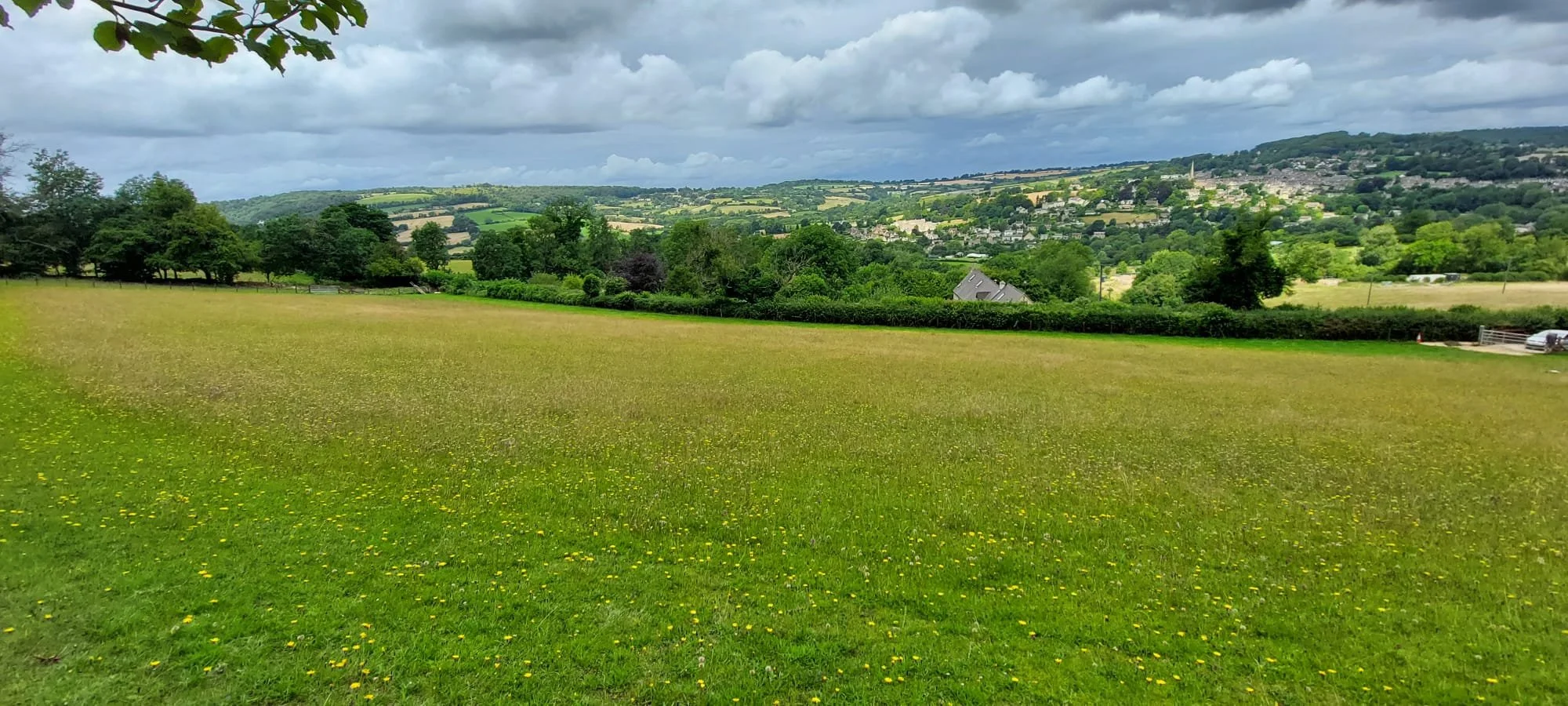
A comprehensive Planning Statement and Landscape and Visual Impact Assessment demonstrated that the development would conserve and enhance the AONB, avoid visual prominence and support the rural economy in line with both local plan policy and the National Planning Policy Framework. Planning permission was granted, securing the long-term future of a high-quality rural employer through well-designed and proportionate commercial development.
Planning Services
-
![]()
Certificates of Lawfulness
-
![]()
Change of Use
-
![]()
Heritage
-
![]()
Rural Workers Dwellings
-
![]()
Agricultural Development
-
![]()
Residential Development
-
![]()
Commercial Development
-
![]()
Appeals
-
![]()
Equestrian Development
-
![]()
Removal of Agricultural Occupancy Conditions