Rural Workers Dwellings
Rural workers’ dwellings are permitted only where there is a proven and essential need for a worker to live permanently at or near their place of work in the countryside. The policy test is deliberately stringent and closely scrutinised by local planning authorities across the South West of England.
Securing planning permission for an agricultural or rural workers’ dwelling requires clear evidence of:
An established and financially viable rural enterprise
An essential functional need for on-site presence
The absence of suitable alternative accommodation
These cases turn on detail. Functional requirements, frequency and severity of risk, animal welfare obligations, labour demands and succession planning all carry significant weight in the planning balance.
We specialise in preparing robust, evidence-led justifications for rural workers’ dwellings, grounded in agricultural reality and supported by financial, operational and legal analysis. Our approach is clear, thorough and policy-focused, designed to withstand scrutiny at application stage or appeal.
CASE STUDY
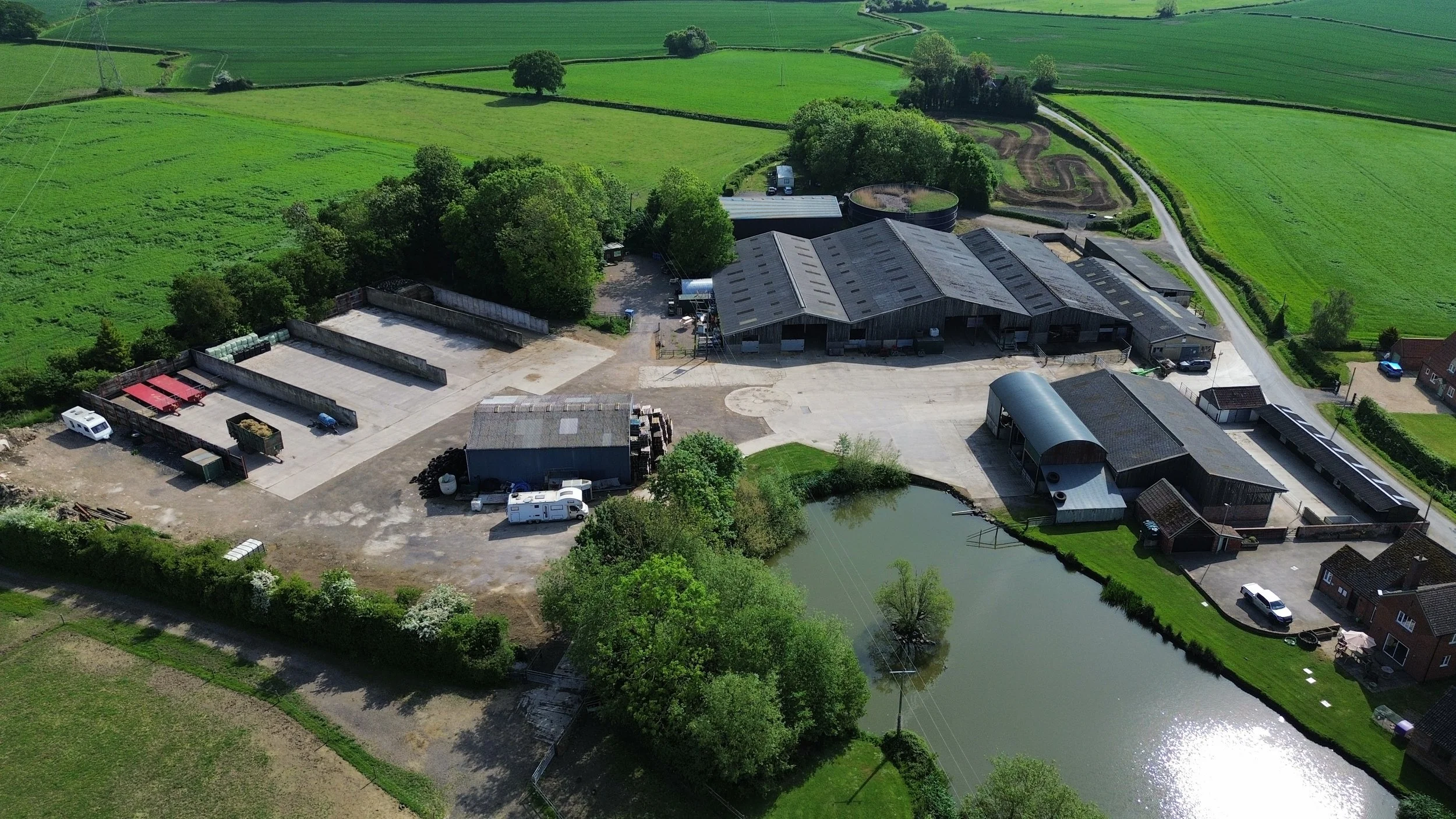
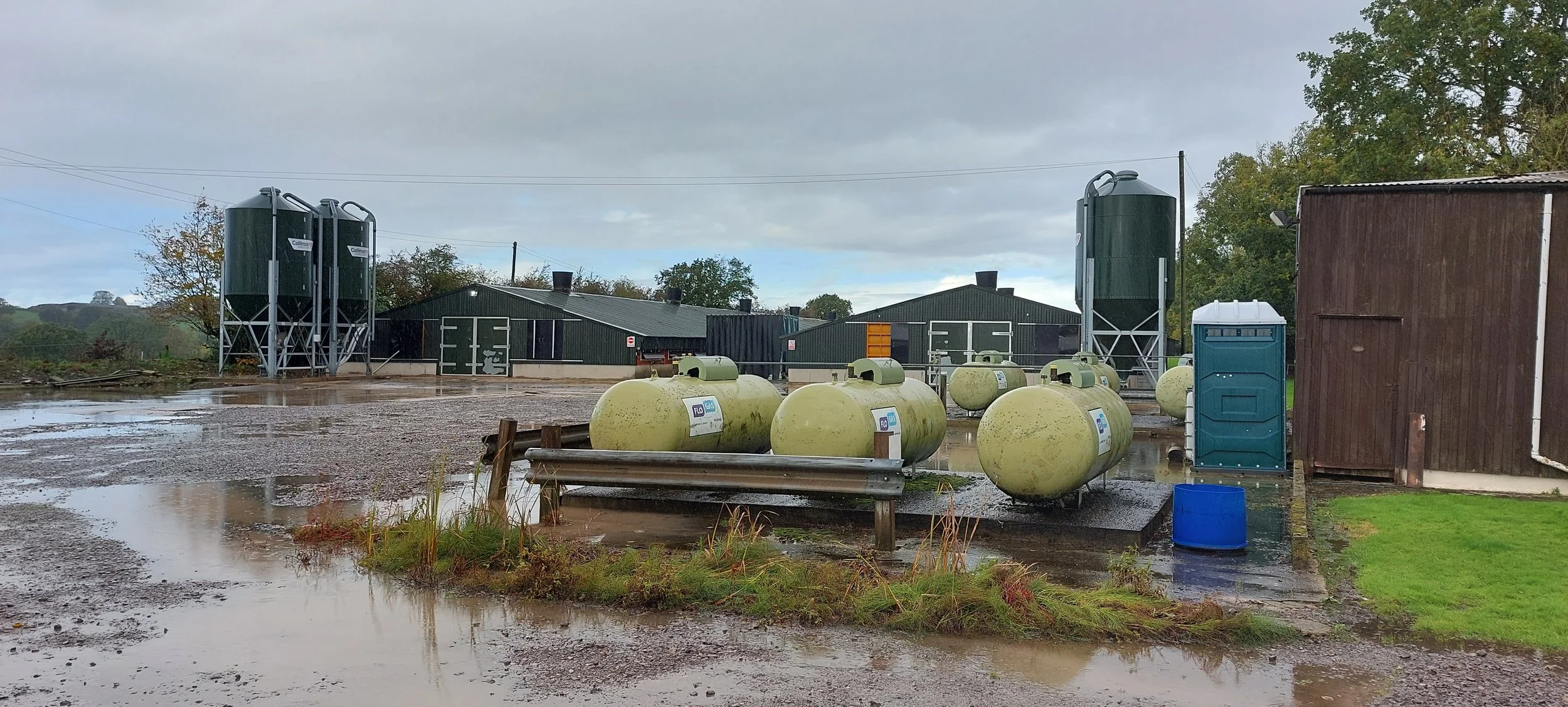
Wreyland Rural Planning acted for a Farm in securing planning permission for a new agricultural worker’s dwelling to serve a long-established and high-performing poultry enterprise.
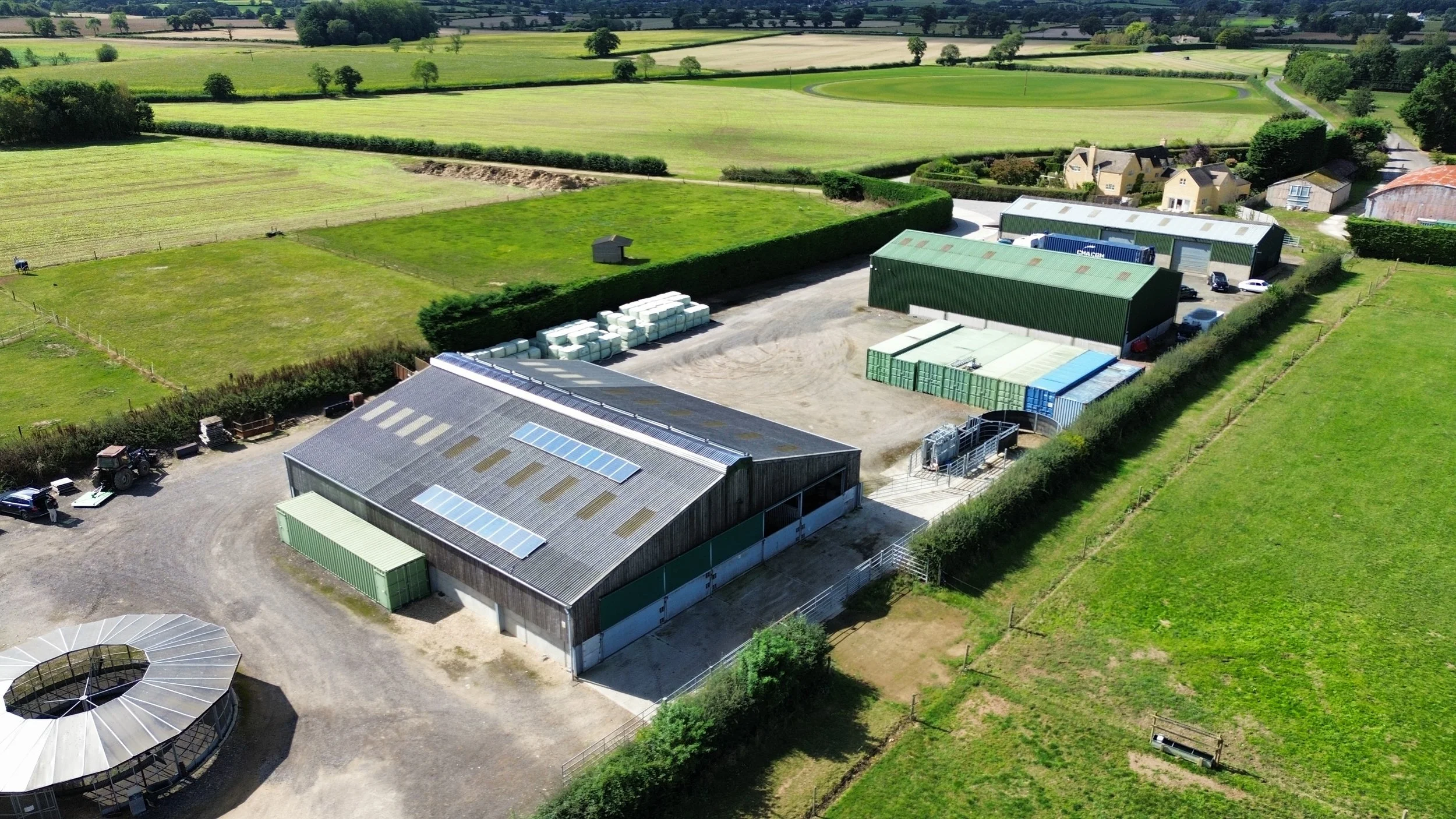
The application arose following a generational change in management. The applicant had assumed full operational and managerial control of a large-scale broiler unit producing approximately 235,000 birds per annum across six crops, operating under stringent assurance, welfare and insurance requirements. The enterprise required constant supervision, with the worker obligated to remain within site and sound of the sheds at all times in order to respond rapidly to emergencies and safeguard animal welfare.
A detailed rural workers’ justification was prepared, addressing national and local planning policy and supported by operational evidence, labour calculations and financial accounts. Standard Man Day analysis demonstrated a clear full-time labour requirement, while the functional case was reinforced by the frequency, severity and immediacy of risk inherent in poultry production. The submission also addressed the unavailability of existing accommodation, recognising that the retiring farmer was entitled to remain in his own home.
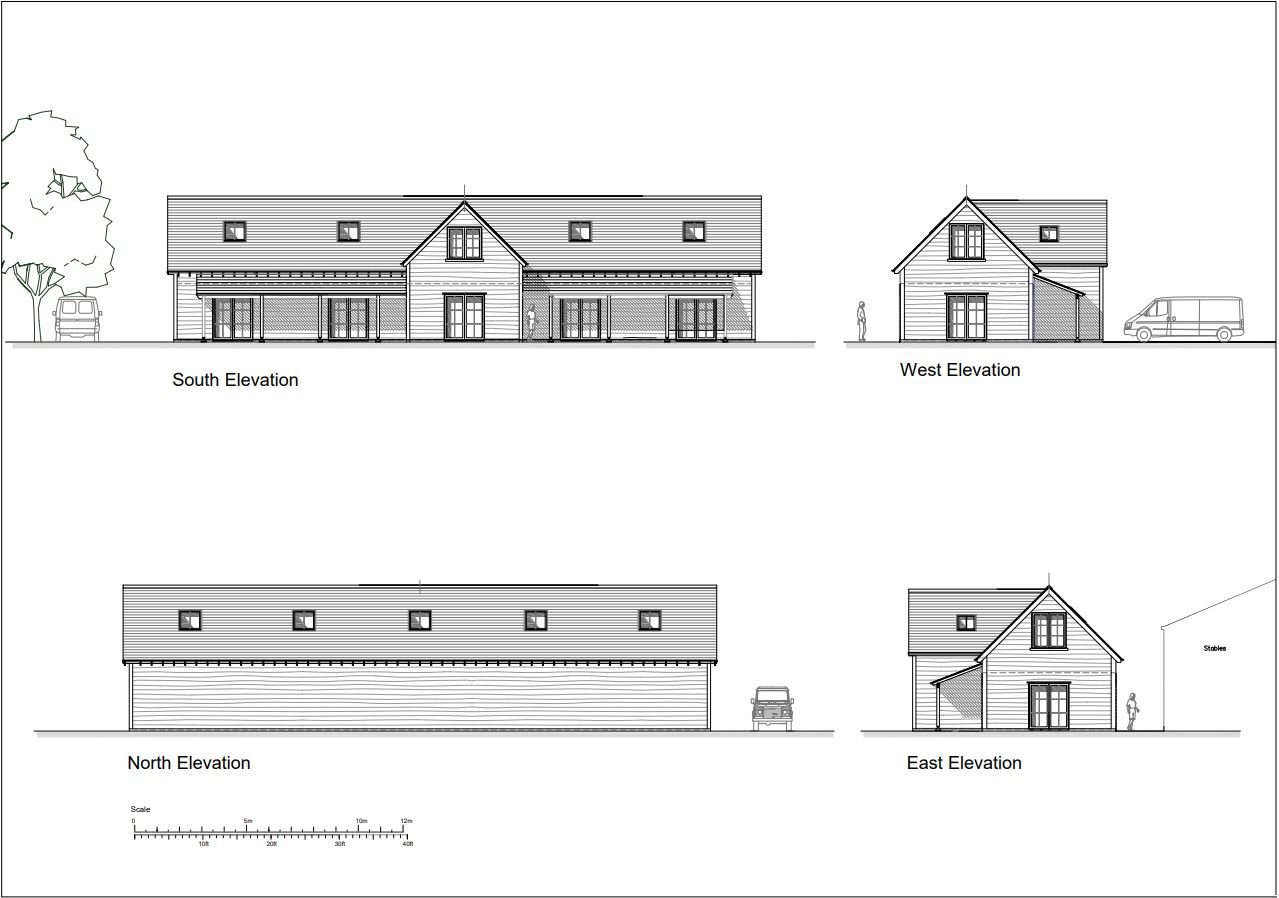
The proposal involved the replacement of a redundant mid-twentieth-century poultry shed with a modest, proportionate dwelling integrated within the existing farmyard. The scheme demonstrated a clear essential need, financial viability and appropriate siting, resulting in a policy-compliant rural worker’s dwelling that secured the long-term future of the enterprise.
Planning Services
-
![]()
Certificates of Lawfulness
-
![]()
Change of Use
-
![]()
Heritage
-
![]()
Rural Workers Dwellings
-
![]()
Agricultural Development
-
![]()
Residential Development
-
![]()
Commercial Development
-
![]()
Appeals
-
![]()
Equestrian Development
-
![]()
Removal of Agricultural Occupancy Conditions