Change of Use
A change of use occurs when land or buildings move from one planning use class to another, or to a use treated as sui generis. Whether planning permission is required depends on the nature of the change and the planning framework that applies.
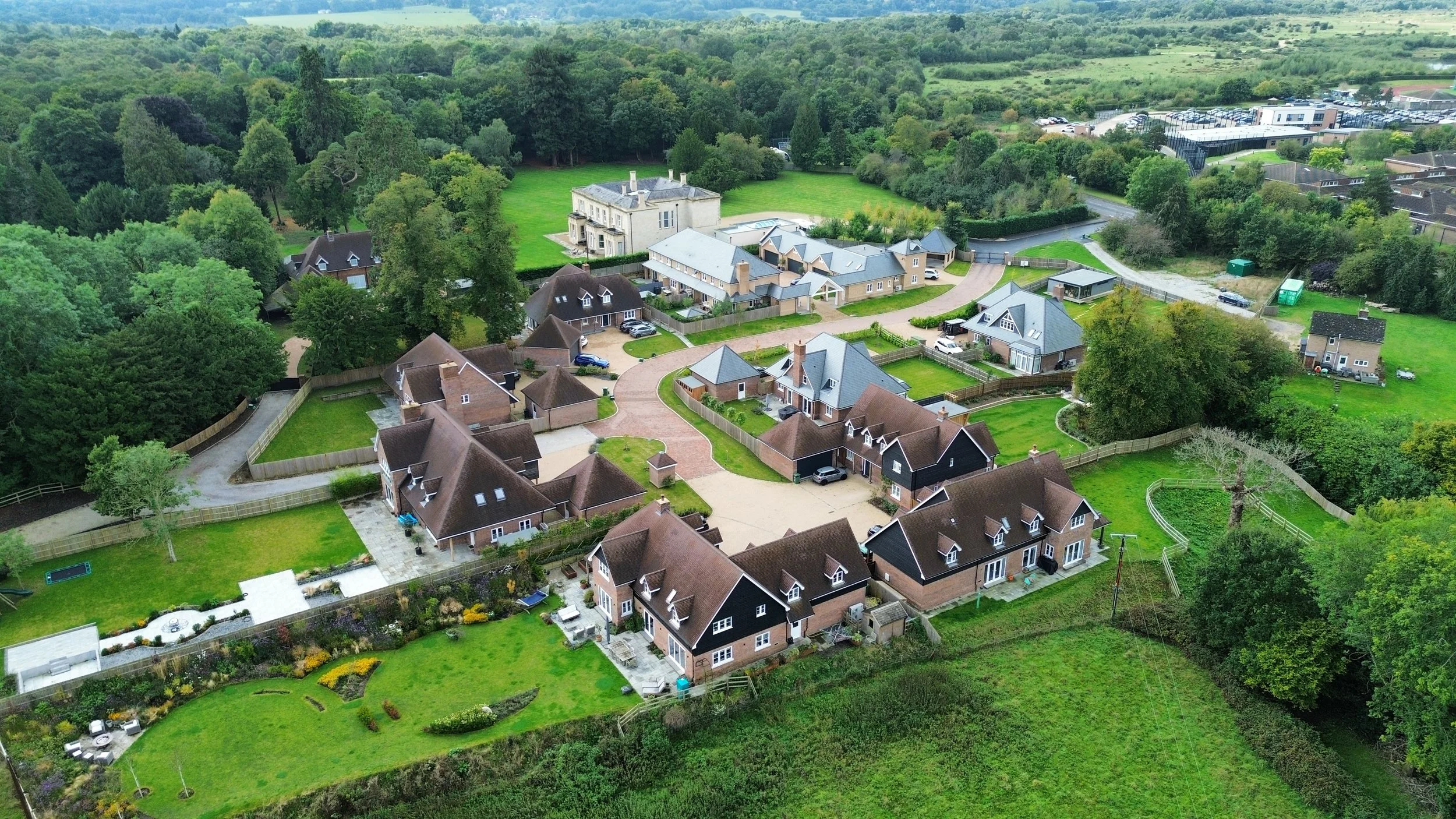
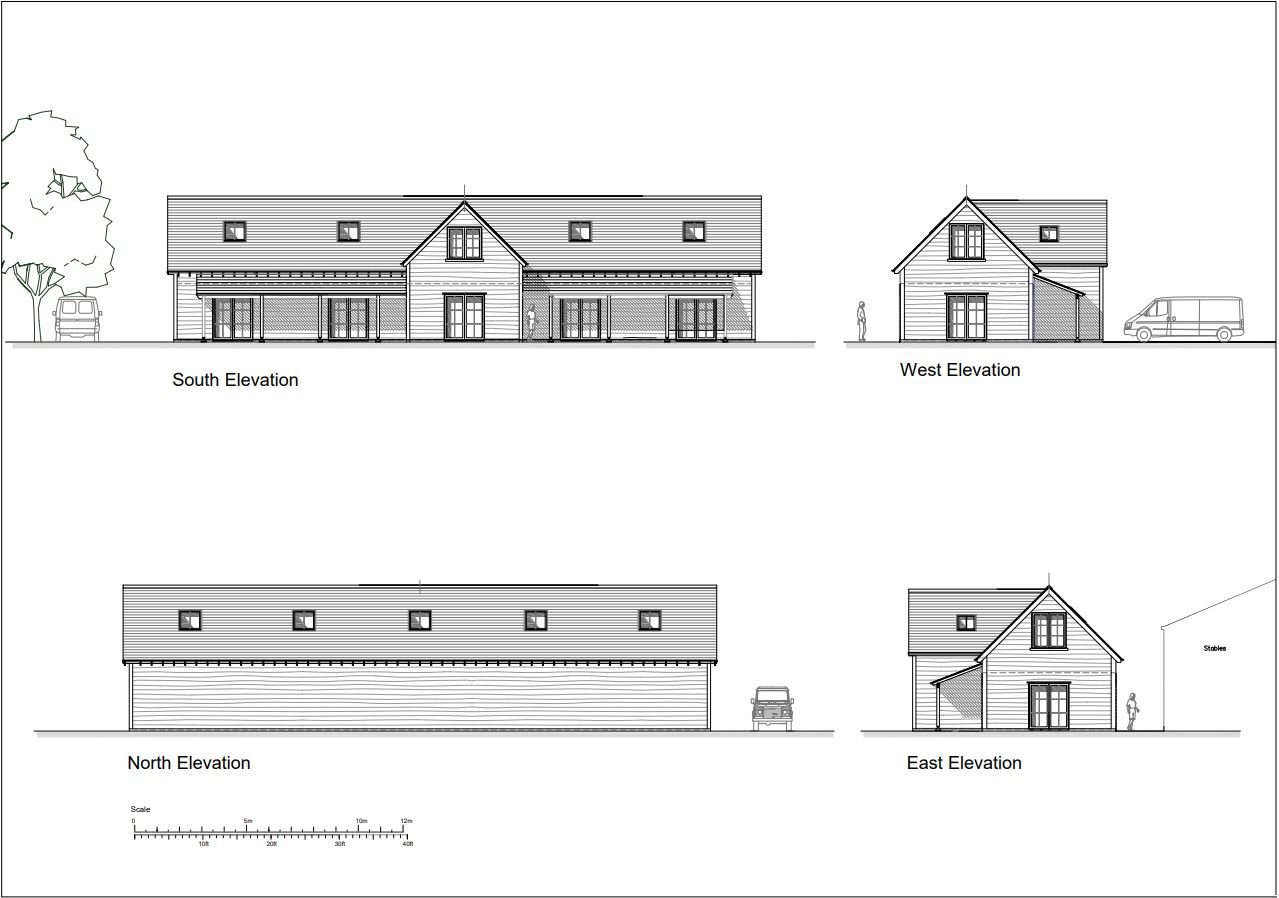
In some cases, a change of use can proceed under permitted development rights. This may include agricultural diversification under Class R, residential conversion of agricultural buildings under Class Q, or commercial to residential change under Class MA. In other circumstances, a full planning application is required, with local and national planning policy carefully assessed and addressed.
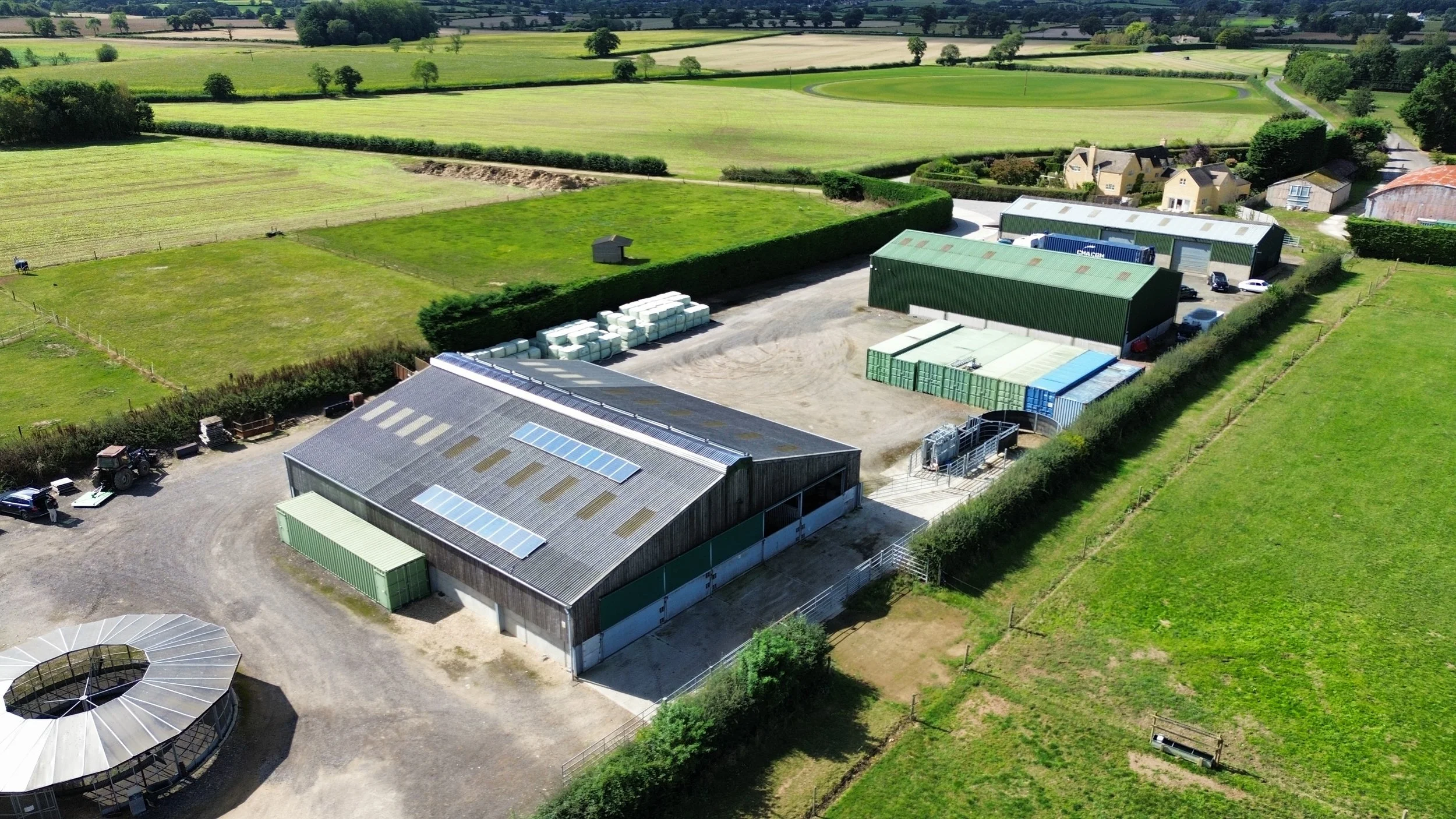
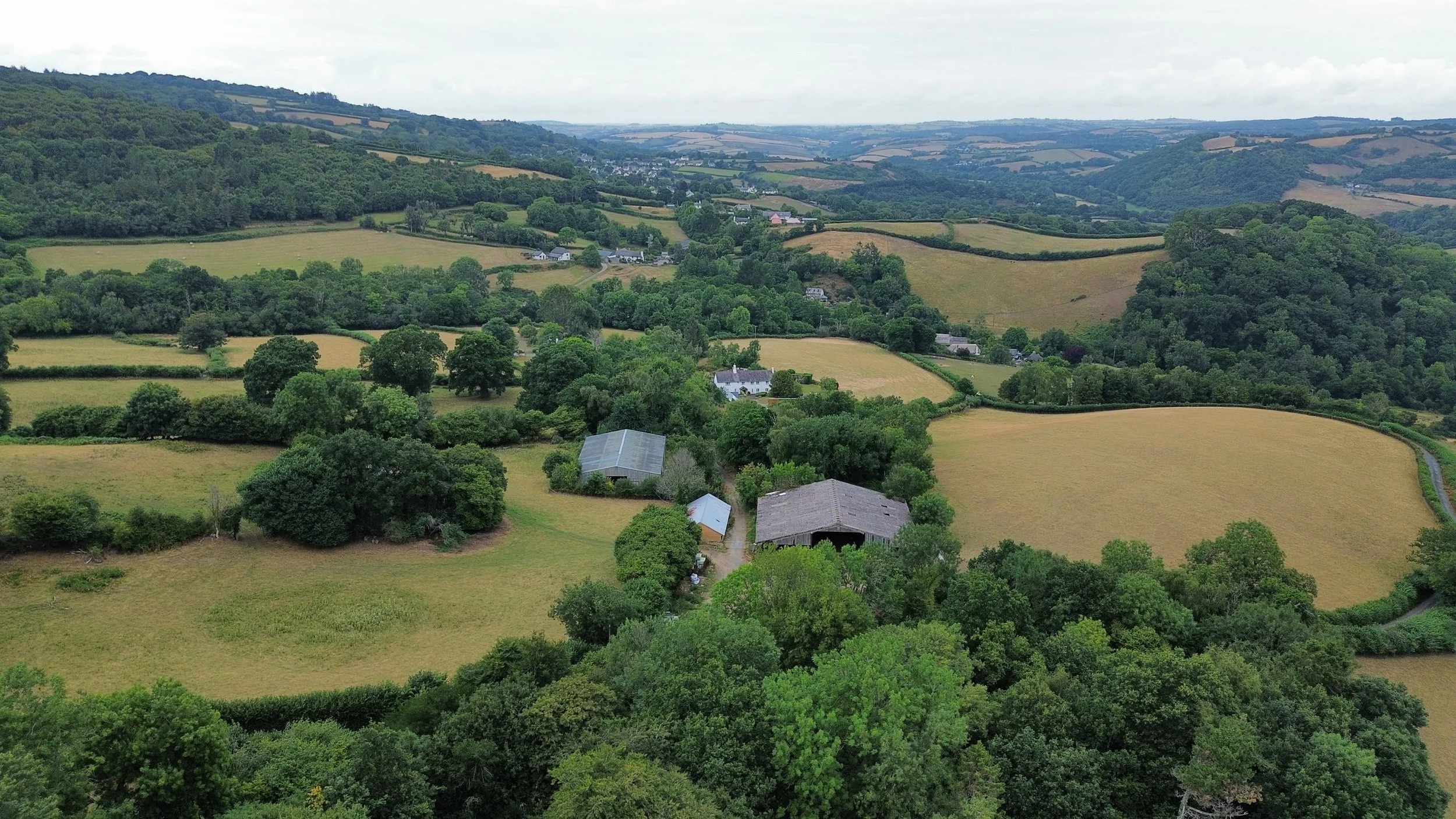
Change of use proposals in rural areas, particularly barn conversions, farm diversification schemes and commercial redevelopment, demand careful interpretation of planning policy, use class definitions, fallback positions and site-specific constraints.
We specialise in identifying the most robust route forward for landowners and developers across the South West of England, presenting change of use proposals with clarity, realism and precision.
CASE STUDY
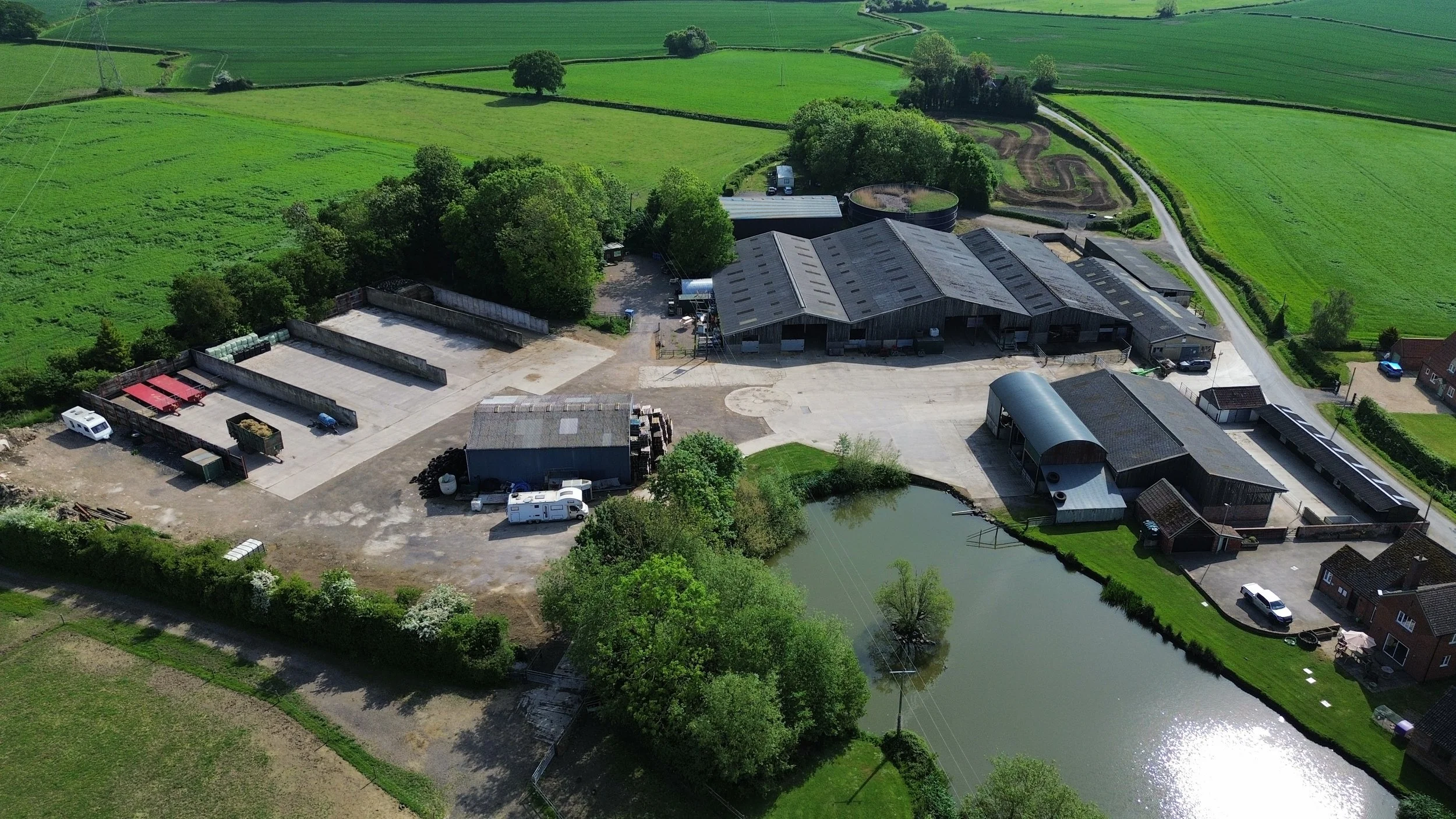
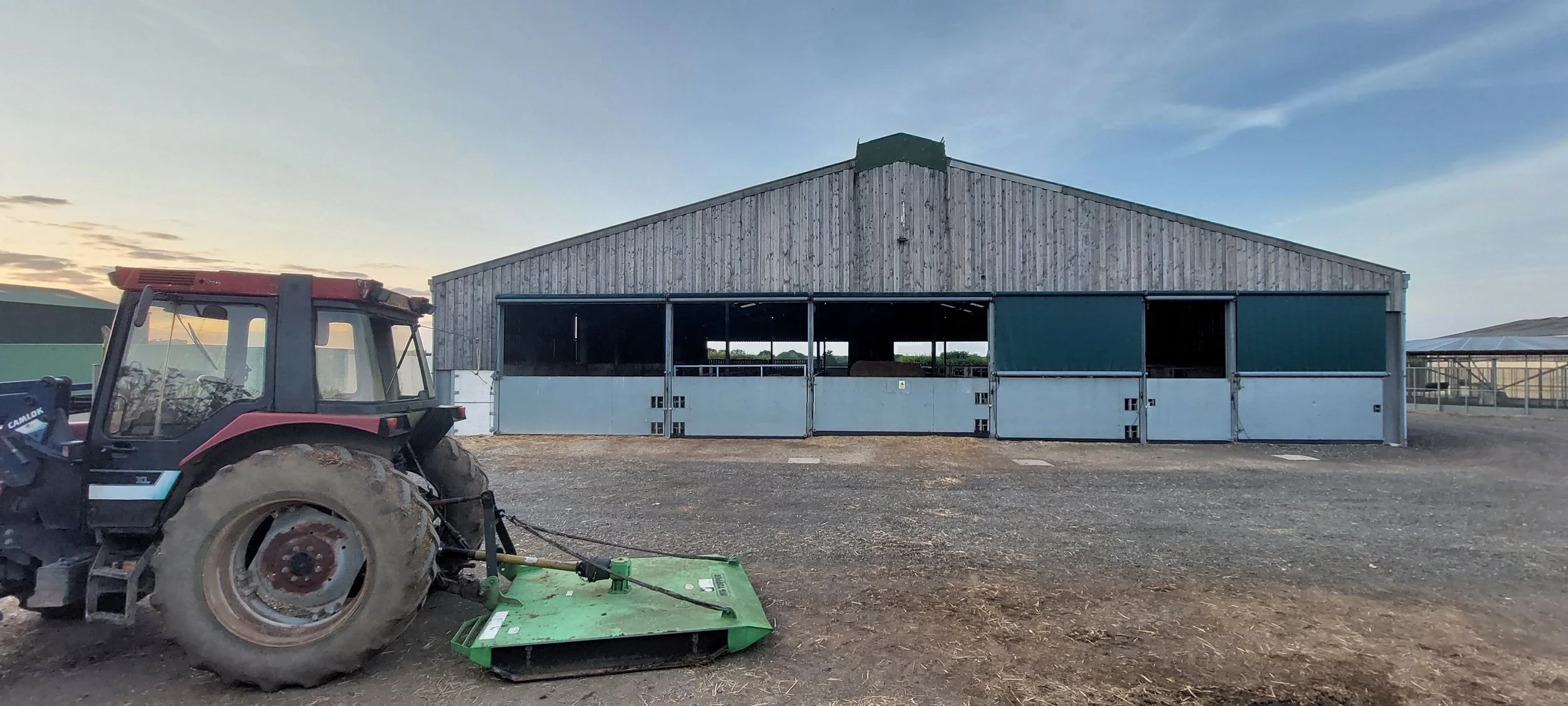
Wreyland Rural Planning acted for the owner of the an Estate in securing planning permission for the change of use of a traditional range of agricultural buildings within the heart of the village. The proposal involved the reuse of redundant former dairy buildings to provide a production kitchen, estate storage and a mixed agricultural and seating space to support the recently relocated village shop
The buildings were of mid-19th century origin and formed a non-designated heritage asset, contributing positively to the character and setting of the village and nearby listed buildings. The planning strategy focused on demonstrating that the proposed uses represented appropriate rural diversification, made efficient use of existing buildings and delivered clear economic and community benefits.
The Planning Statement addressed national and local policy in detail, including rural enterprise policy, heritage considerations, amenity and transport impacts. Particular emphasis was placed on the sustainability of the proposal, its relationship with the wider estate’s regenerative farming strategy and the reuse of buildings that were no longer suitable for modern agricultural purposes. A realistic fallback position under Class R permitted development rights was also identified as a material consideration.
The result was a coherent and policy-compliant change of use scheme that secured the long-term reuse of historic farm buildings, supported local services and reinforced the social and economic resilience of the village the use was immune from enforcement, securing a Certificate of Lawfulness and providing the client with long-term certainty and a robust lawful planning position.
Planning Services
-
![]()
Certificates of Lawfulness
-
![]()
Change of Use
-
![]()
Heritage
-
![]()
Rural Workers Dwellings
-
![]()
Agricultural Development
-
![]()
Residential Development
-
![]()
Commercial Development
-
![]()
Appeals
-
![]()
Equestrian Development
-
![]()
Removal of Agricultural Occupancy Conditions