Appeals
Planning appeals provide an independent review of local authority decisions by the Planning Inspectorate. They are not a second planning application. Appeals turn on evidence, policy interpretation and whether a refusal of planning permission can be properly justified against national and local planning tests.
Across the South West of England and the rest of the UK, planning appeal cases frequently involve complex issues of countryside policy, agricultural need, heritage impact and development plan interpretation. Success depends on precision and discipline.
Effective planning appeal representation requires:
Identifying the true main issues in dispute
Assembling proportionate but robust technical evidence
Challenging flawed reasoning or unsupported conclusions
Presenting clear and structured policy arguments
Appeals may proceed by written representations, informal hearing or public inquiry. Costs can be awarded where a local planning authority has behaved unreasonably, causing unnecessary expense.
We specialise in planning appeal work where clarity of argument and evidential rigour are decisive, acting for landowners, rural businesses and developers throughout the South West.
CASE STUDY
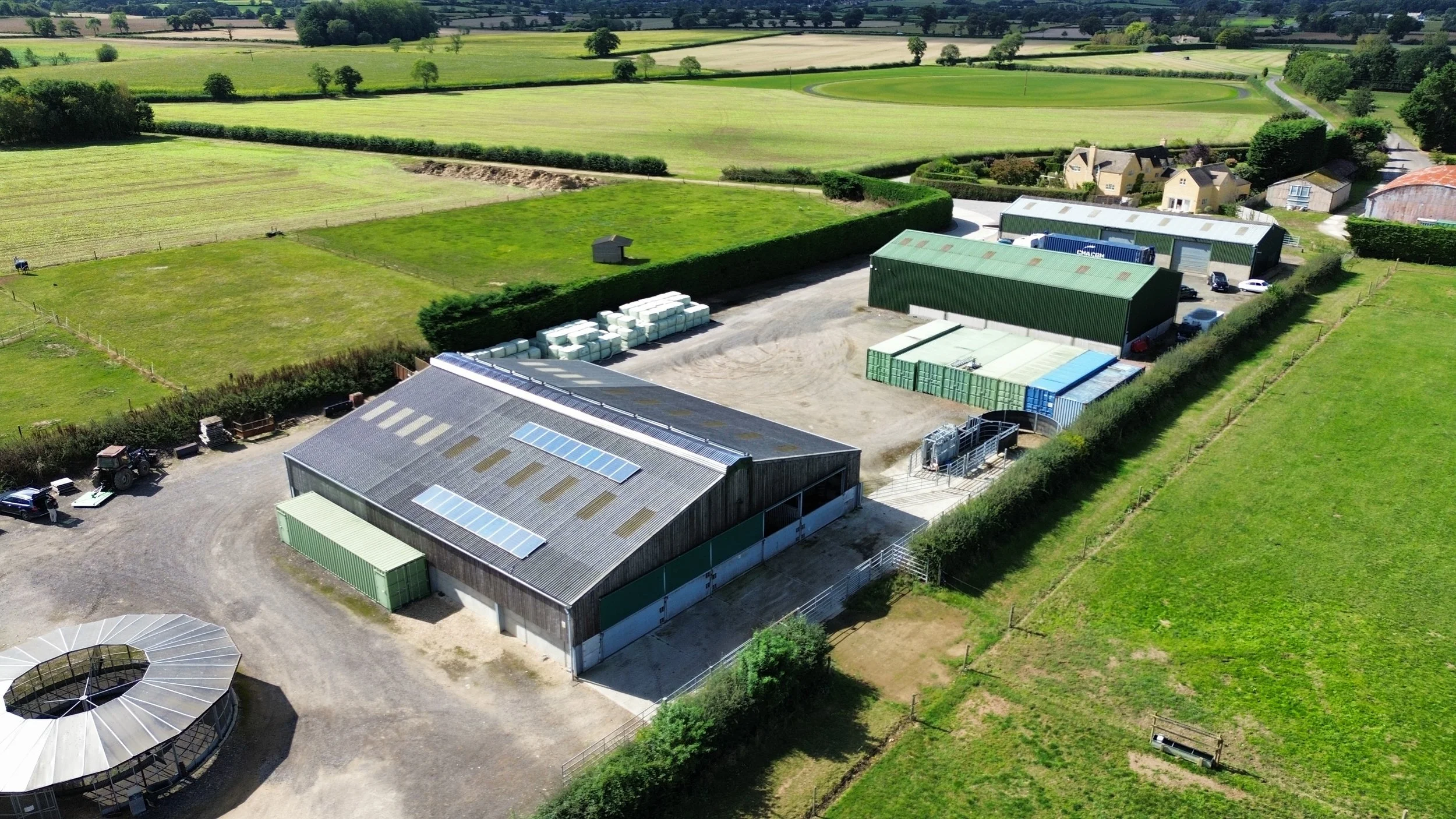
Wreyland Rural Planning acted for a client in successfully appealing the refusal of planning permission for the provision of ten additional commercial storage containers. The appeal was allowed in full, and a separate application for costs was also upheld against Cotswold District Council.
The Council had refused the application on a single ground, alleging an unacceptable impact on highway safety arising from additional traffic using an access onto the A429 and along a public right of way. The appeal strategy focused on demonstrating that this position was not supported by evidence and that the correct national policy tests had been misapplied.
A detailed Statement of Case was prepared, supported by technical transport evidence from Helix Transport Consultants. This demonstrated that the proposal would generate an average of approximately nine additional vehicle movements per day, equating to a negligible increase in traffic flows on the A429. Accident data, visibility analysis, swept-path drawings and a COBALT assessment all confirmed that there would be no material impact on highway safety.
The Inspector concluded that the refusal was not substantiated, allowed the appeal, and found that the Council had behaved unreasonably by relying on vague and generalised assertions and failing to engage meaningfully with the evidence. A full award of costs was therefore made in the appellant’s favour, securing both permission and recovery of appeal expenses.
Planning Services
-
![]()
Certificates of Lawfulness
-
![]()
Change of Use
-
![]()
Heritage
-
![]()
Rural Workers Dwellings
-
![]()
Agricultural Development
-
![]()
Residential Development
-
![]()
Commercial Development
-
![]()
Appeals
-
![]()
Equestrian Development
-
![]()
Removal of Agricultural Occupancy Conditions