Residential Development
Residential development is tightly regulated by national and local planning policy, with careful control over location, scale, design and impact on neighbouring amenity. Across the South West of England, proposals for new housing must accord with the development plan unless material considerations indicate otherwise.
Applications for planning permission are assessed against a wide range of technical matters including design quality, access, landscape impact, drainage, ecology, residential amenity and infrastructure capacity.
In some cases, the principle of residential development may already be established, for example through site allocation, outline planning permission or Permission in Principle. In others, the acceptability of development must be demonstrated in full through careful policy analysis and site appraisal.
We specialise in guiding rural and residential development schemes through each stage of the planning process, ensuring proposals are policy-led, proportionate and capable of being delivered.
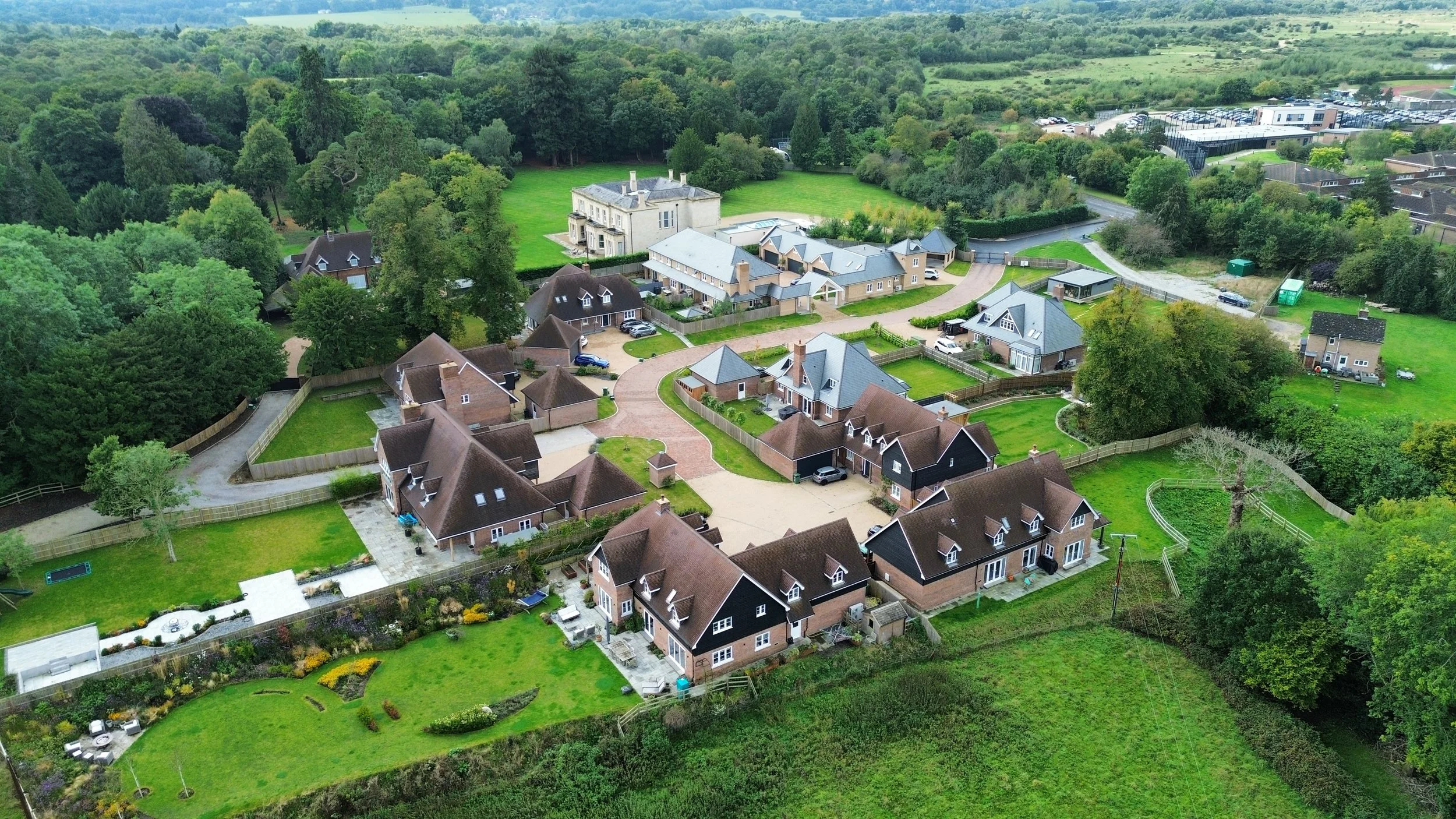
CASE STUDY
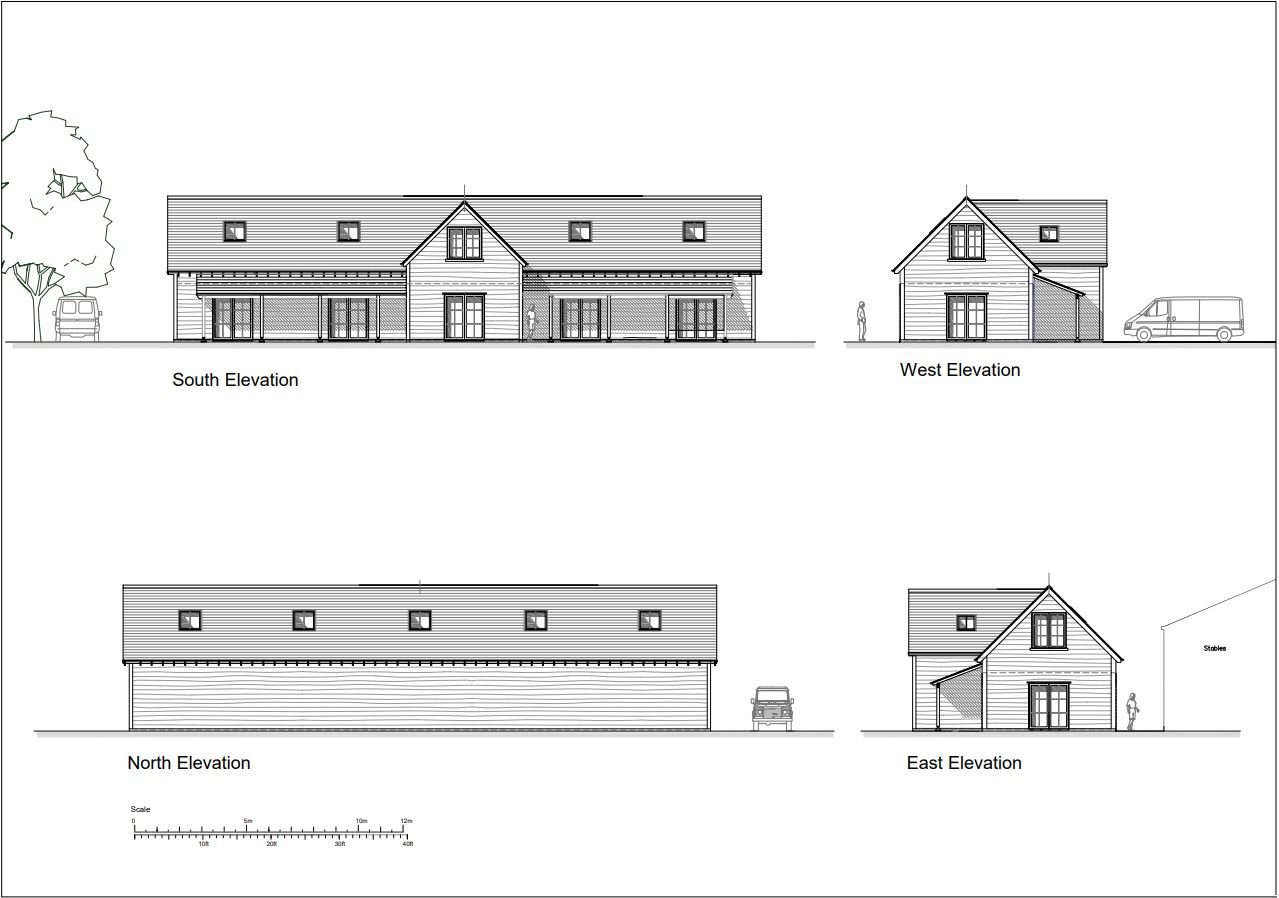
Wreyland Rural Planning acted for private clients in securing planning permission for the demolition of an existing mid-twentieth-century dwelling and its replacement with a bespoke family home.
The site lay outside defined settlement boundaries and was therefore treated as open countryside. The planning strategy centred on Policy C7 of the West Berkshire Core Strategy, which supports replacement dwellings where they are proportionate in scale, respect local character and do not result in harm to the landscape. While the proposed dwelling represented a substantial increase in floorspace, the submission demonstrated that proportionality is not a purely quantitative exercise.
A detailed Planning Statement was prepared, supported by a Landscape and Visual Impact Assessment and ecological evidence. The case drew on relevant appeal decisions to show that increases in size must be assessed by reference to form, massing, height, siting and context, rather than percentage uplift alone. Particular emphasis was placed on the poor architectural quality of the existing dwelling, the established pattern of large contemporary homes in the immediate vicinity and the opportunity to significantly enhance sustainability.
The proposal was shown to integrate successfully within its setting, improve local character and deliver a high-quality self-build dwelling with minimal visual or environmental impact. Planning permission was granted, securing a clear and defensible residential outcome in a sensitive rural context.
Planning Services
-
![]()
Certificates of Lawfulness
-
![]()
Change of Use
-
![]()
Heritage
-
![]()
Rural Workers Dwellings
-
![]()
Agricultural Development
-
![]()
Residential Development
-
![]()
Commercial Development
-
![]()
Appeals
-
![]()
Equestrian Development
-
![]()
Removal of Agricultural Occupancy Conditions