Heritage
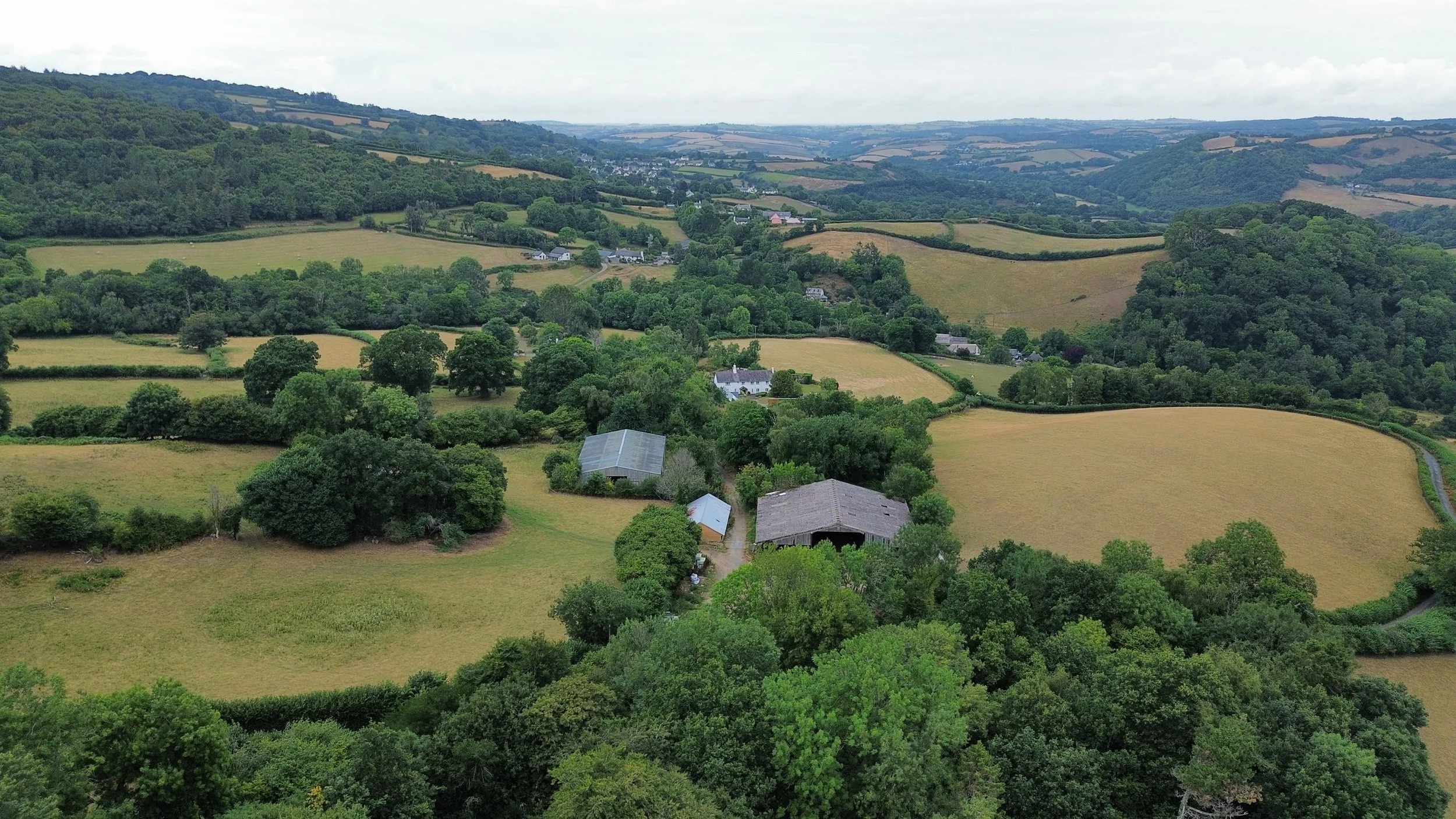
Heritage considerations arise where development affects listed buildings, curtilage structures, conservation areas or non-designated heritage assets. The planning system requires decision-makers to identify the significance of those assets and assess the impact of proposals upon that significance, giving considerable weight to conservation where designated heritage assets are concerned.
As experienced rural planning consultants operating across the South West of England, we advise on development affecting historic buildings and sensitive settings, ensuring proposals are framed within the requirements of national and local heritage policy.
Heritage is not a bar to change. Well-considered development can secure the long-term future of listed and historic buildings through viable new uses that respect their character, fabric and setting. Successful heritage planning outcomes depend on a clear understanding of significance, proportionate intervention and a realistic appreciation of viability.
We specialise in heritage-led planning strategies that protect what matters while enabling rural and historic buildings to remain useful, maintained and economically sustainable.
CASE STUDY
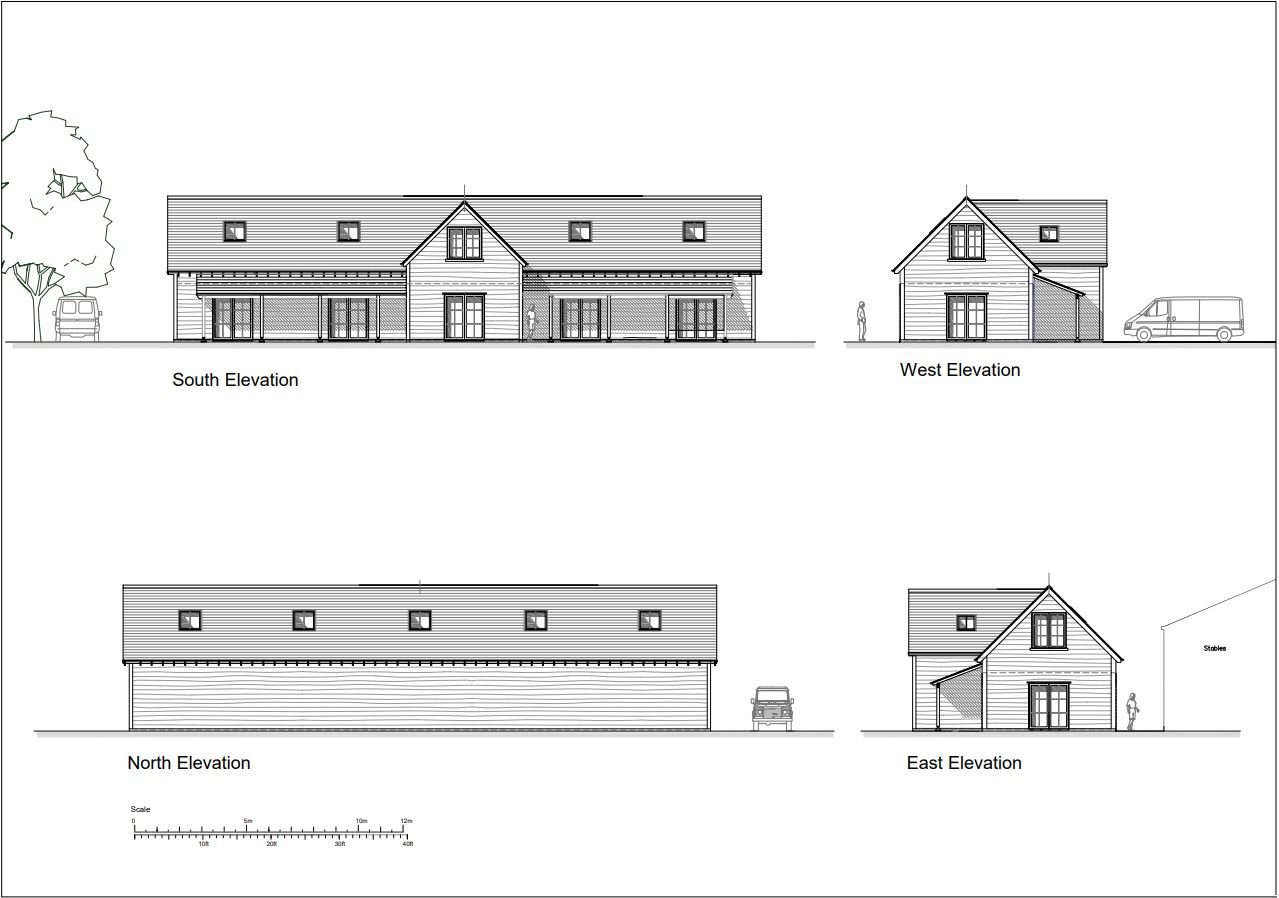
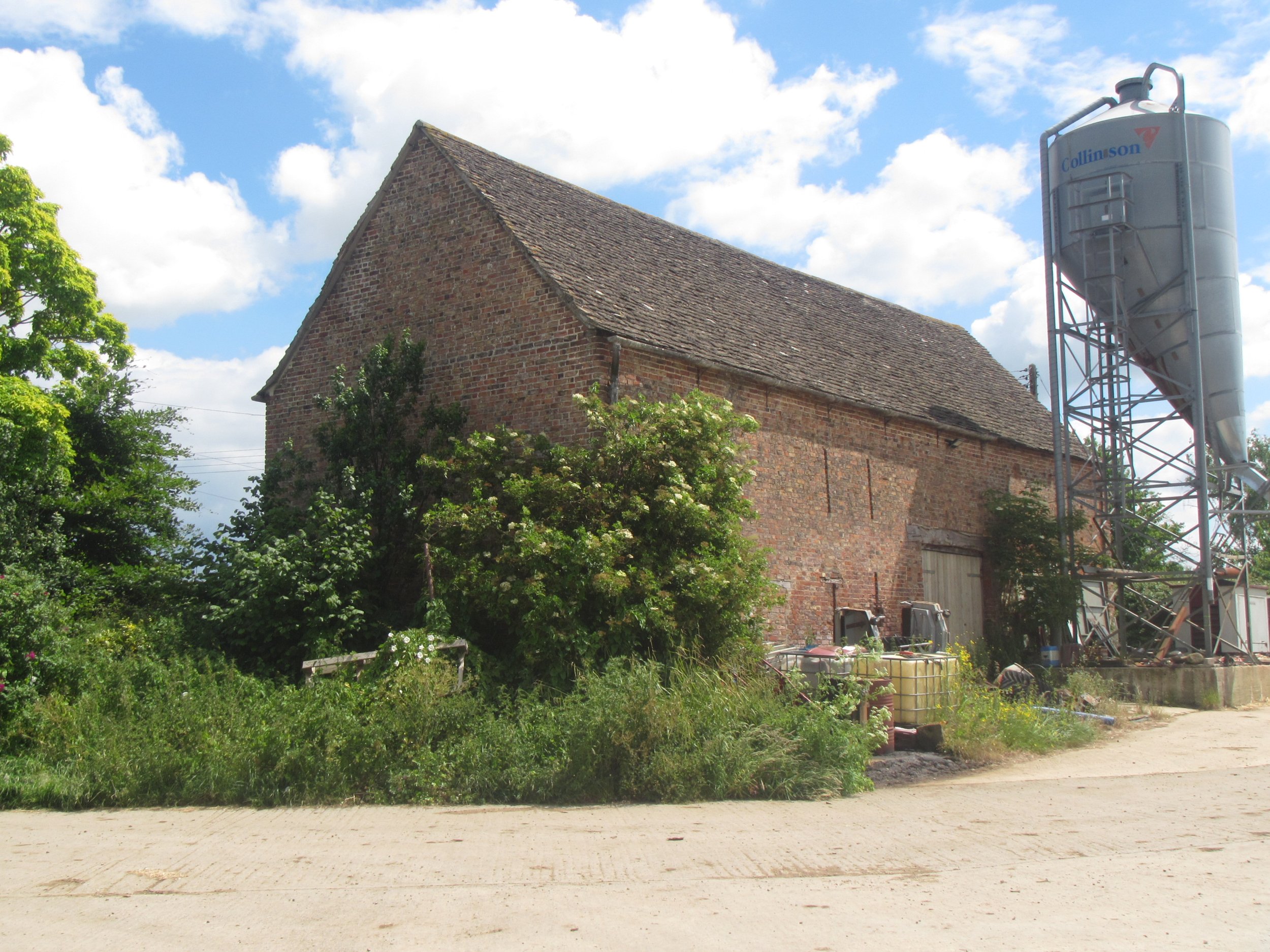
Wreyland Rural Planning acted for a Trust in bringing forward proposals for the repair and reuse of a mid-19th century threshing barn. Although unlisted in its own right, the barn was considered curtilage listed due to its historic and functional relationship with the adjacent Grade II listed farmhouse and its contribution to a surviving historic farmstead
The barn had become redundant following significant modernisation of the farm and was suffering from lapsed maintenance, with substantial repair costs identified. The planning strategy centred on establishing the barn’s heritage significance and demonstrating that a viable new use was essential to secure its conservation. A detailed heritage assessment identified the building’s evidential, architectural, historic and group value, informing a conversion approach based on minimal intervention and reversibility.
The proposal reused the barn for Class E(g)(i) office use, carefully designed to retain the agricultural character of the building. External alterations were limited, historic fabric was conserved, and internal accommodation was largely contained within freestanding structures to minimise impact. The scheme was supported by viability evidence showing that without an income-generating use, the building’s repair and long-term maintenance would not be achievable.
The outcome was a heritage-led scheme that secured the future of an at-risk historic building, delivered public benefit and accorded fully with national and local heritage policy.
Planning Services
-
![]()
Certificates of Lawfulness
-
![]()
Change of Use
-
![]()
Heritage
-
![]()
Rural Workers Dwellings
-
![]()
Agricultural Development
-
![]()
Residential Development
-
![]()
Commercial Development
-
![]()
Appeals
-
![]()
Equestrian Development
-
![]()
Removal of Agricultural Occupancy Conditions