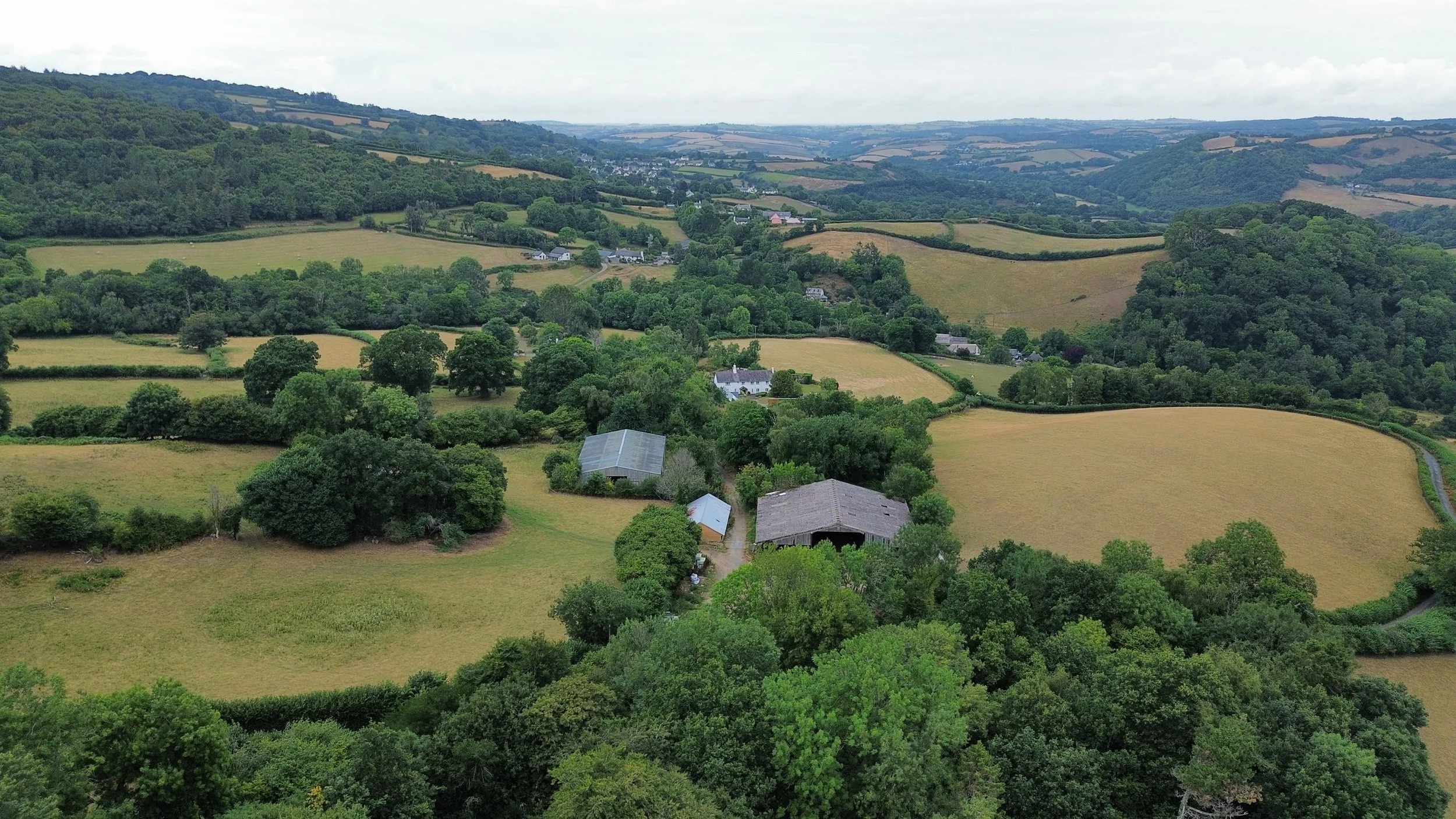
Equestrian Development
Equestrian development occupies a nuanced position within the planning system. While horses are a familiar feature of the countryside, commercial equestrian uses frequently involve a change of use of land and associated operational development requiring planning permission.
Based in Gloucestershire and servicing the south west and the rest of the UK, proposals for stables, ménages, equestrian arenas and commercial livery yards are assessed against countryside protection, landscape impact, transport, ecology and residential amenity policies. Particular scrutiny applies where sites lie within designated or sensitive rural landscapes.
Successful equestrian planning schemes depend on a clear distinction between private leisure use and professionally run enterprises, careful control of scale and activity levels, and demonstrable integration with long-term land management.
We specialise in securing planning permission for equestrian development that is policy-compliant, proportionate and rooted in sound husbandry and rural land management principles.
CASE STUDY
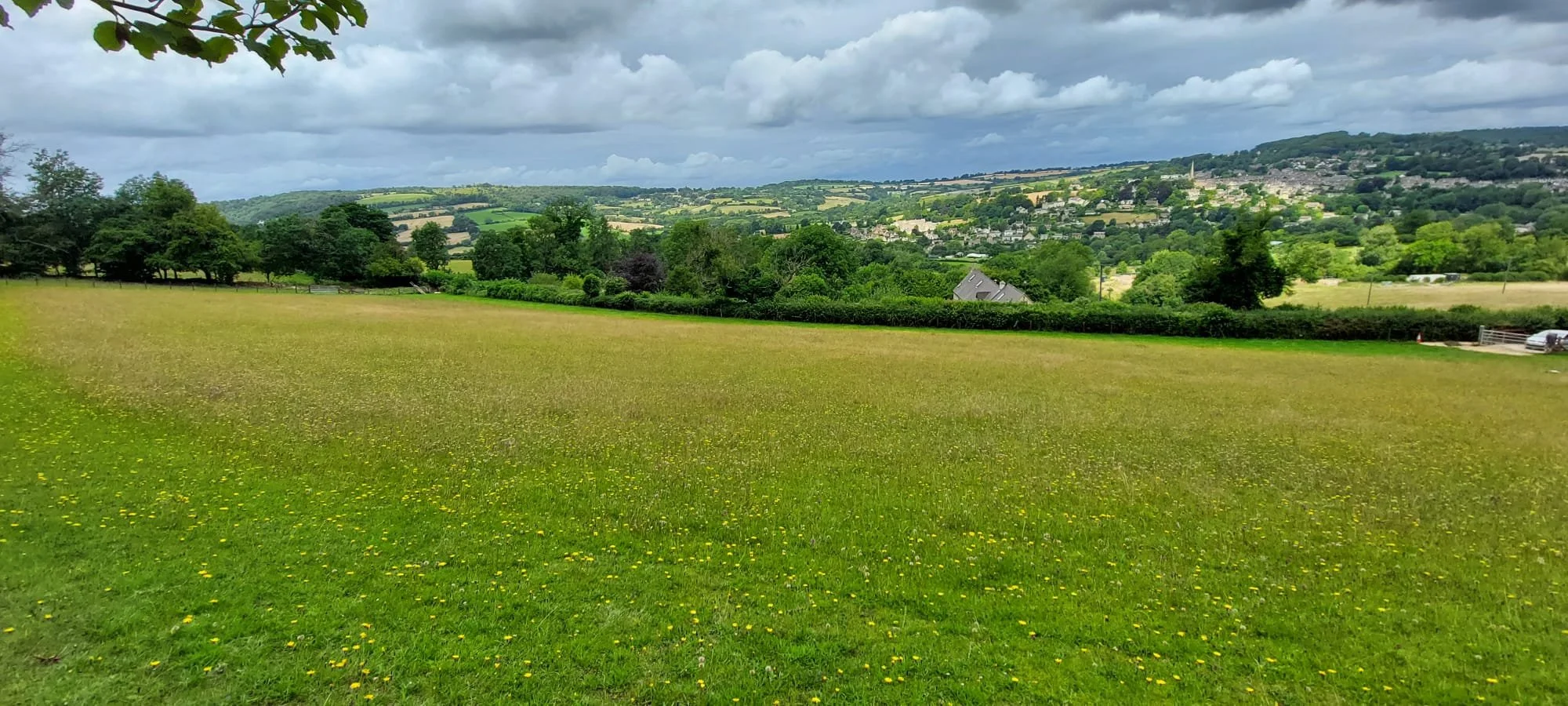
Wreyland Rural Planning acted for Equine client in securing planning permission for the change of use of land and associated operational development to facilitate equine-based therapeutic and horsemanship activities, within the Cotswold AONB
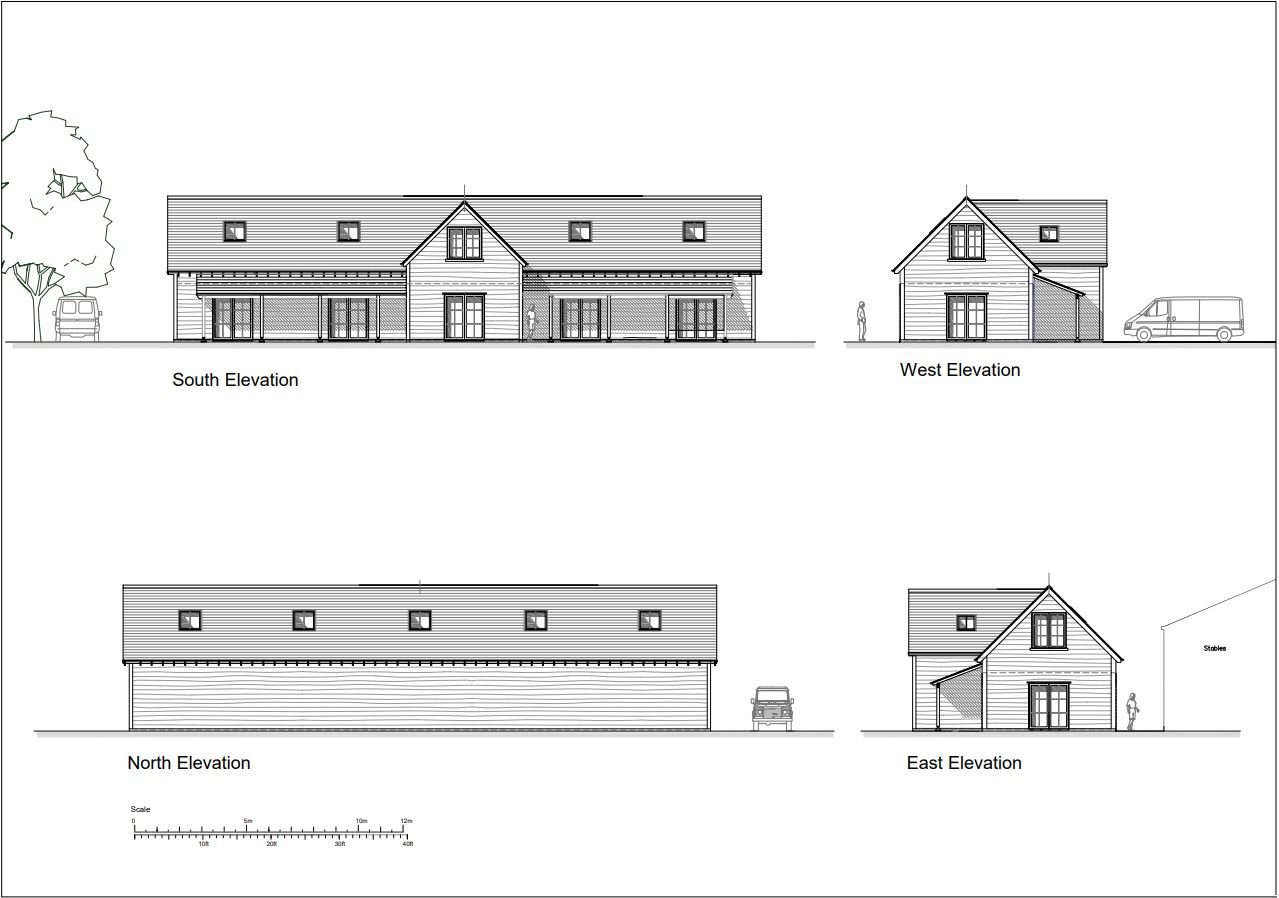
The proposal comprised the use of 2.64 hectares of permanent pasture for Equine Facilitated Learning, Therapeutic Horsemanship and Relational Horsemanship, together with two modest timber buildings providing a field shelter, storage and a small therapy and office space. The site lay in open countryside and in proximity to a Site of Special Scientific Interest, requiring careful consideration of landscape, ecology and intensity of use.
An earlier application had been withdrawn following officer concerns. A revised scheme was brought forward supported by a comprehensive Planning Statement, business plan, transport assessment and Preliminary Ecological Appraisal. The planning strategy focused on demonstrating that the use was a low-intensity, professionally run equestrian enterprise, essential to a countryside location, and wholly distinct from conventional livery or leisure riding. Particular emphasis was placed on the limited volume of activity, absence of menages or intrusive infrastructure, and a detailed long-term grazing and land management regime designed to enhance biodiversity.
The submission demonstrated full compliance with both countryside and equestrian policies, resulting in permission being granted for a sensitive, socially valuable rural enterprise delivering clear community, environmental and economic benefits.
Planning Services
-
![]()
Certificates of Lawfulness
-
![]()
Change of Use
-
![]()
Heritage
-
![]()
Rural Workers Dwellings
-
![]()
Agricultural Development
-
![]()
Residential Development
-
![]()
Commercial Development
-
![]()
Appeals
-
![]()
Equestrian Development
-
![]()
Removal of Agricultural Occupancy Conditions