Agricultural Development
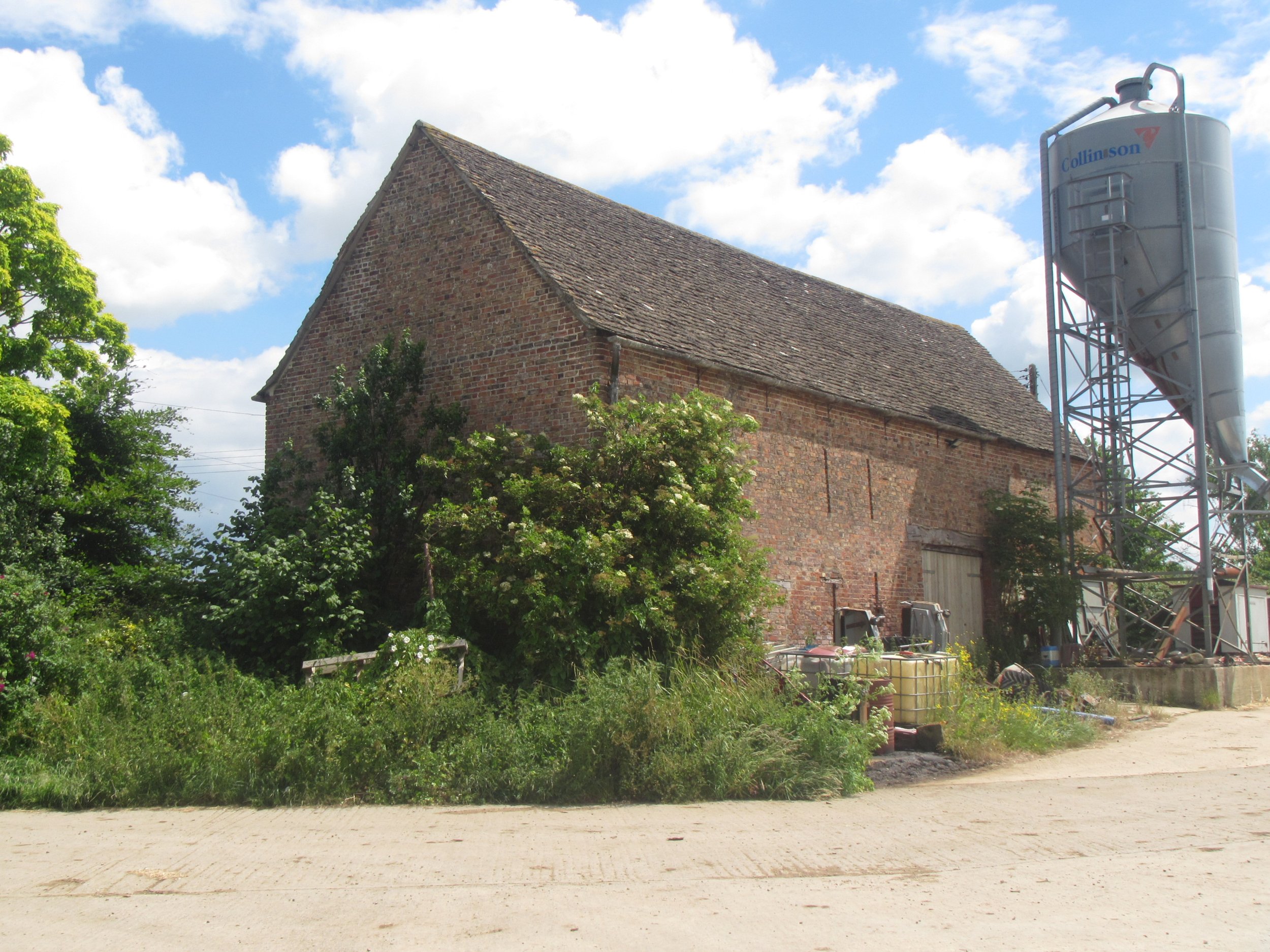
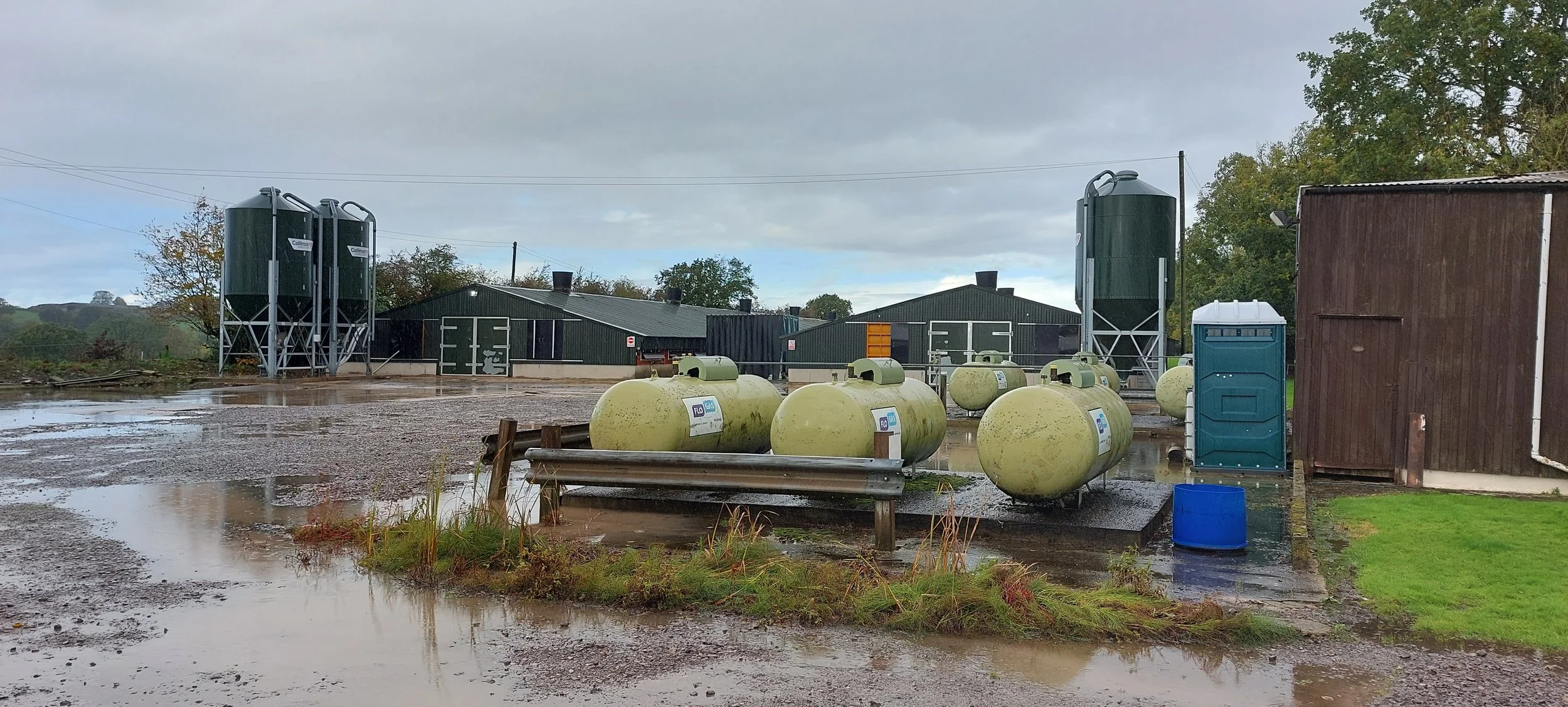
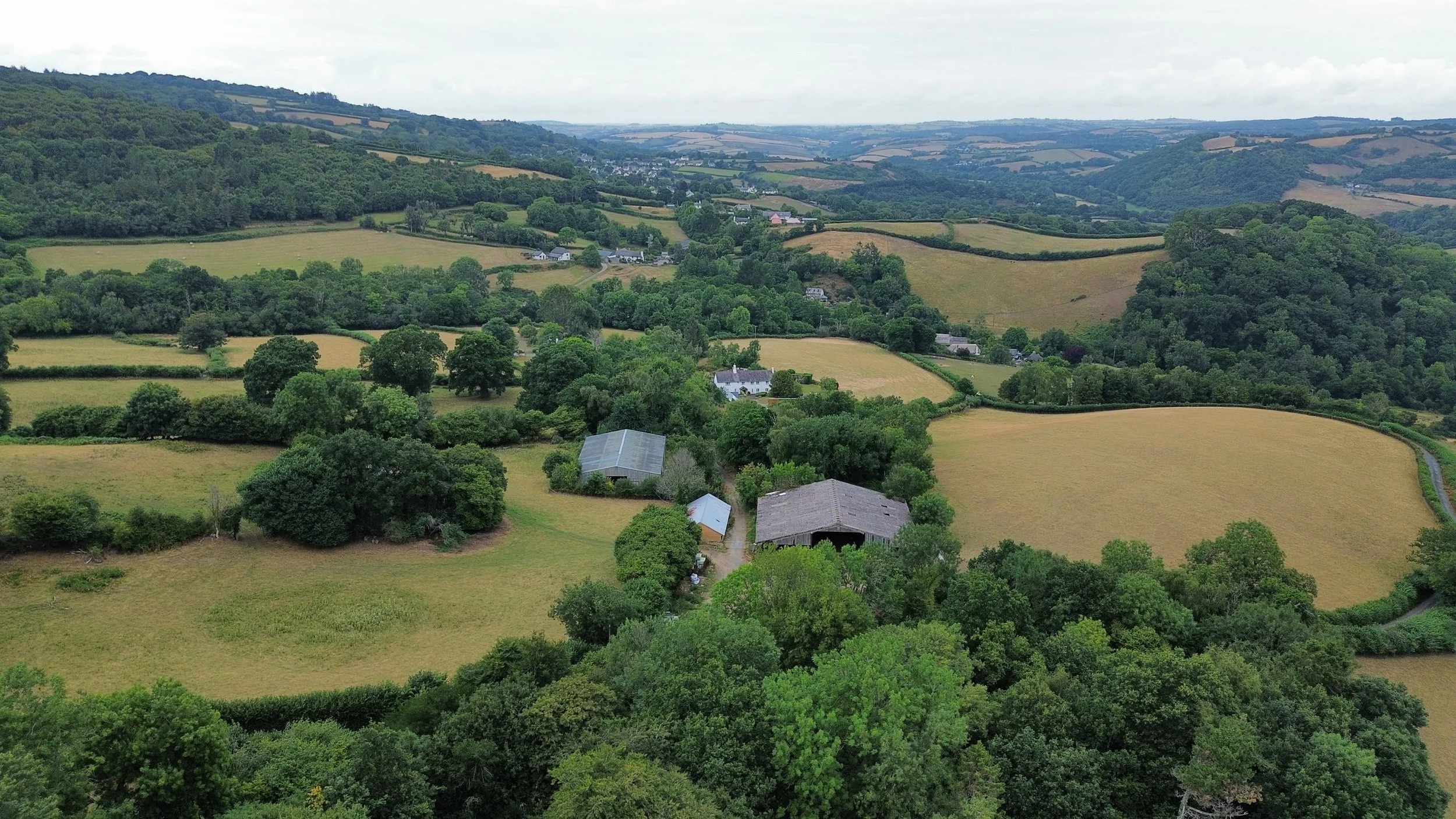
Agricultural buildings are fundamental to the operation, efficiency and resilience of modern farm businesses. While national planning policy is generally supportive of agricultural development in the open countryside, proposals must still be carefully designed, proportionate and properly justified.
Across the South West of England and the rest of the UK, planning permission for farm buildings, including livestock housing, grain stores, machinery sheds and general-purpose agricultural buildings, requires a clear understanding of policy and permitted development rights.
In many cases, agricultural buildings can be erected under permitted development rights, most commonly Part 6, Class A of the General Permitted Development Order (GPDO). However, these rights are tightly defined and subject to detailed criteria relating to scale, siting, design, prior notification and environmental considerations.
We specialise in navigating agricultural permitted development and prior approval procedures with precision, ensuring that farm buildings are lawfully delivered while avoiding unnecessary risk, delay or enforcement issues.
Where permitted development rights do not apply, we prepare full planning applications supported by clear agricultural justification and site-specific assessment.
CASE STUDY
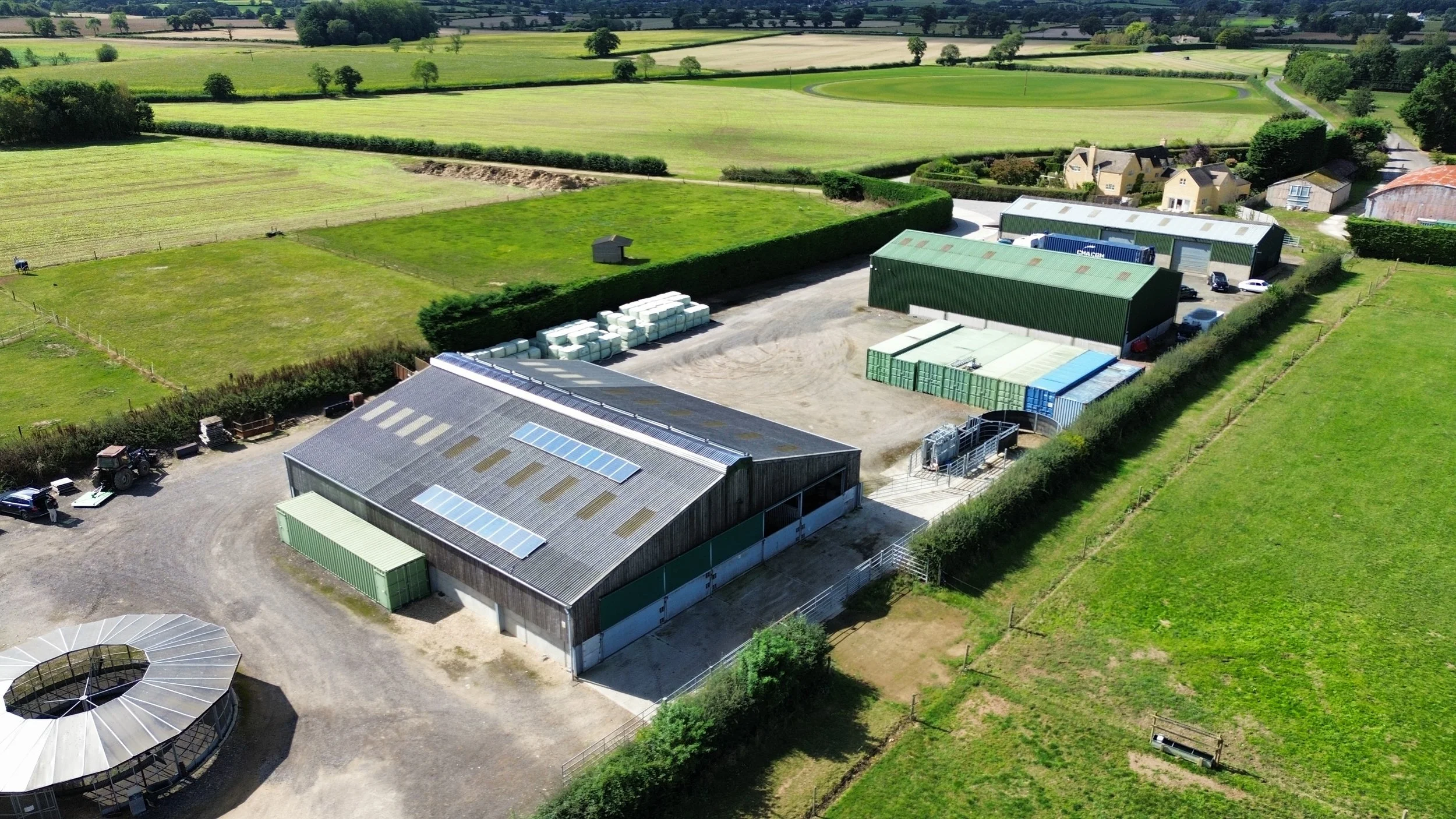
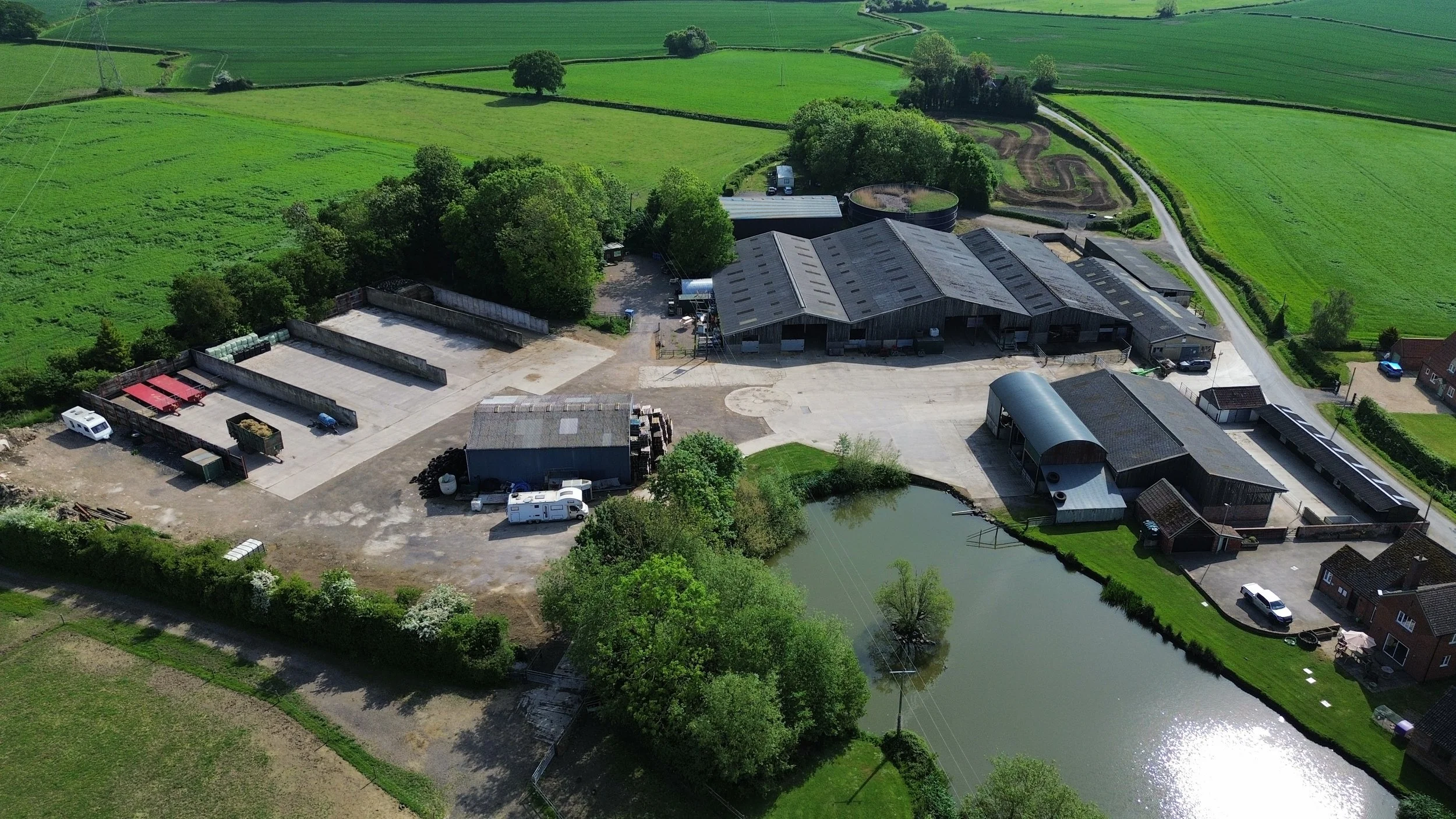
Wreyland Rural Planning acted for a tenant farmer, in securing prior approval for the erection of a new agricultural building under Part 6, Class A of the General Permitted Development Order
The proposal involved the replacement of an existing smaller building with a larger, purpose-built structure to provide dry storage for hay, straw and machinery serving a 1,000-acre mixed farming enterprise. The holding supports a substantial Longhorn suckler herd and a large-scale fodder production business, producing up to 60,000 conventional bales and 10,000 bales of haylage annually. The operational need for improved storage was clear and well evidenced.
A detailed Planning Statement was prepared demonstrating full compliance with the GPDO criteria, including holding size, building footprint, height limits, siting and agricultural use. Particular care was taken to show that the building was located within the established farmyard on existing hardstanding, minimising landscape impact and avoiding ecological sensitivity. The design was wholly functional and agricultural in character, proportionate to the scale of the enterprise and compliant with recognised agricultural building standards.
The submission demonstrated that the proposal represented a necessary, lawful and sustainable agricultural development, enabling the farm business to operate efficiently and securely while remaining fully within the scope of permitted development rights.
Planning Services
-
![]()
Certificates of Lawfulness
-
![]()
Change of Use
-
![]()
Heritage
-
![]()
Rural Workers Dwellings
-
![]()
Agricultural Development
-
![]()
Residential Development
-
![]()
Commercial Development
-
![]()
Appeals
-
![]()
Equestrian Development
-
![]()
Removal of Agricultural Occupancy Conditions